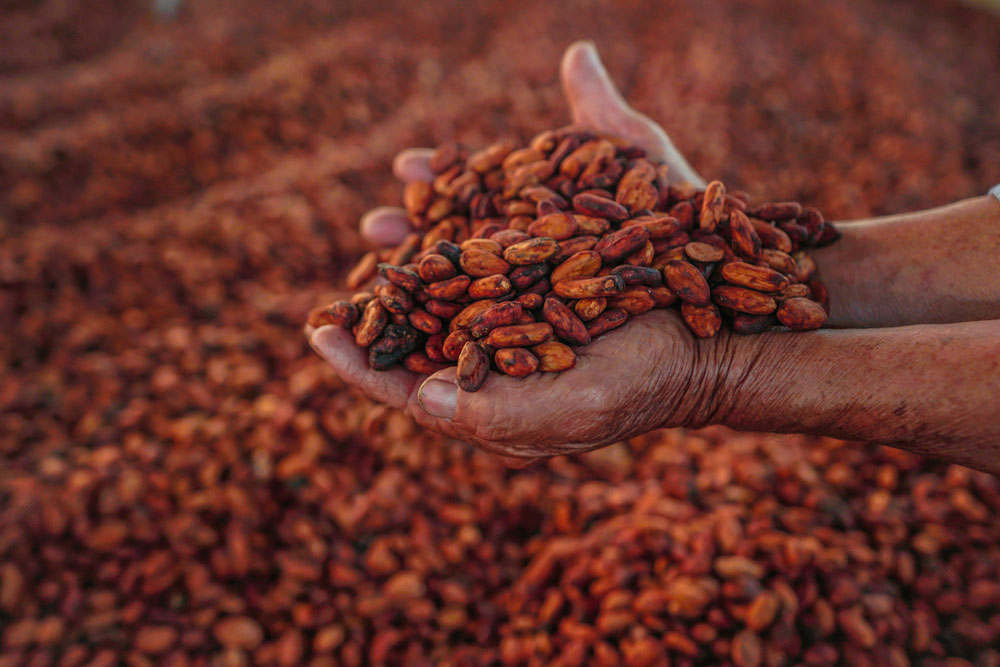

We rewrite the history of cocoa; we are the cradle of its origin.

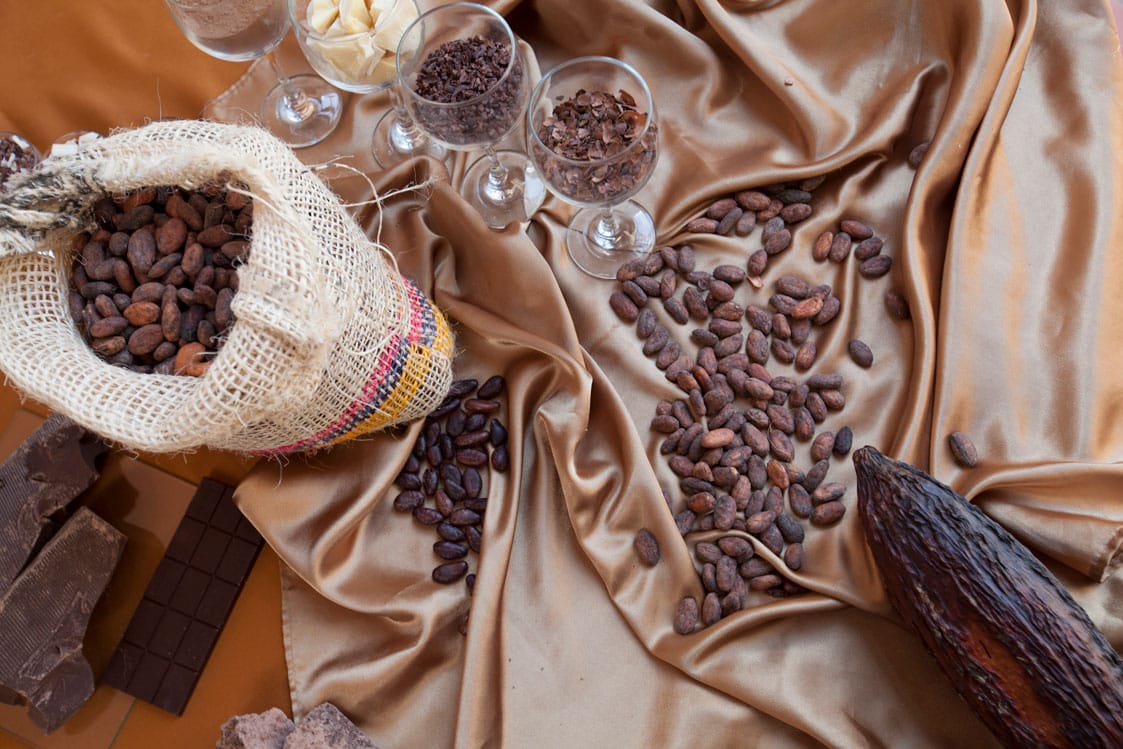
5,300 years ago, the Mayo Chinchipe – Marañón culture initiated an age-old relationship for the domestication, cultivation, and distribution of the “golden bean” that sprouted in Ecuadorian lands. Today, it is one of the most important and exquisite products in world gastronomy. Cocoa and chocolate are symbols of Ecuador.

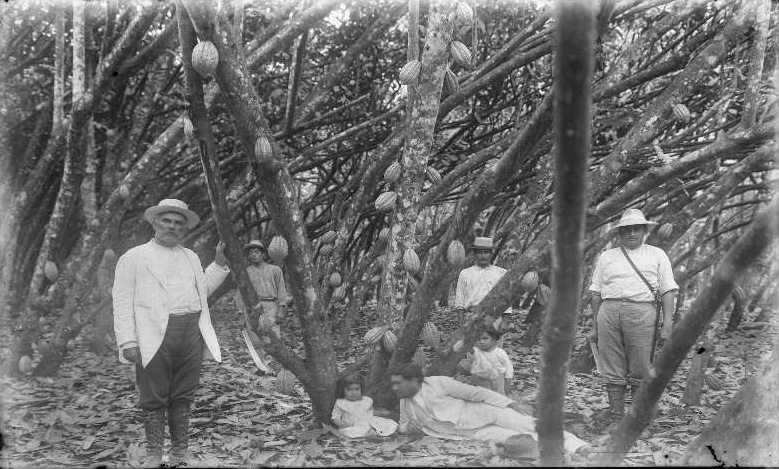
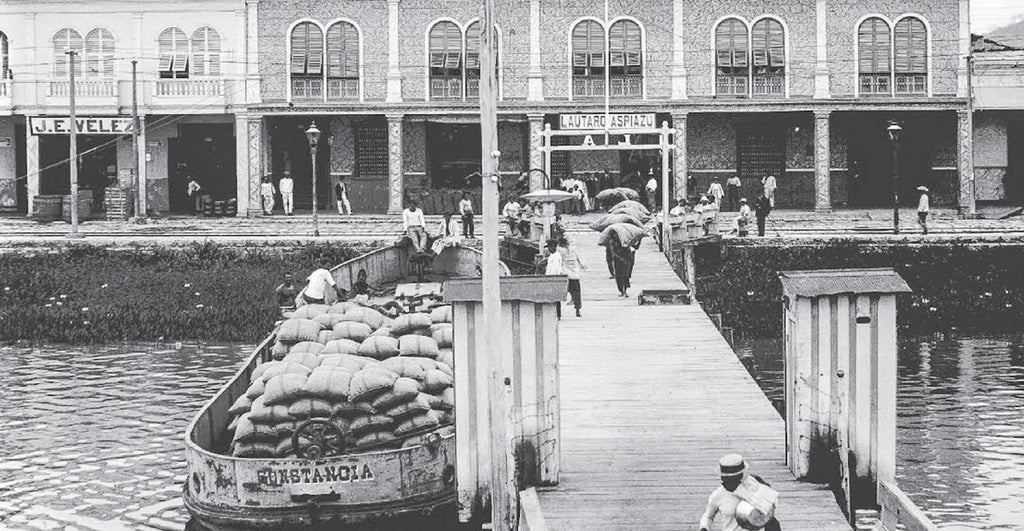
Use and domestication of cacao in Ecuador 5,300 years ago The Mayo Chinchipe Marañón were the first humans that consume cocoa. They growed plants that were used to prepare food for important ceremonies. Ecuadorian cocoa over time ______________________________ __________________________ 3.800 2.017 Domestication in Central America 3.800 years ago The Mayans and Olmecs domesticated cacao. Ecuadorian cocoa over time ______________________________ _________________________________ 1.572 5.300 Plant registration in the world 1.572 In the book "History of the New World" written by the Italian historian and traveler Girolamo Benzoni named the plant as "peanut". Ecuadorian cocoa over time _________________________________ _________________________________ 1.802 3.800 First Cocoa Boom 1780 - 1820 The great European demand motivated cocoa production in the country. River transportation was essential for shipping from the plantations to the ports. Guayaquil was the center of commercialization abroad. Ecuadorian cocoa over time ________________ __________________ XIX 1.803 Von Humboldt includes it in his scientific records 1802 - 1803 While in Ecuador for his scientific studies, he registered the Theobroma (scientific name for the cacao tree) as a result of his research on andean and tropical vegetation. Ecuadorian cocoa over time ________________ __________________ 1.780 1.572 “Gran Cacao” Late XIX century The big cacao farm owners were known as “Los Gran Cacao”. They formed a small but powerful economic group, owning more than 70% of the land used for cacao plantations. Their luxurious properties showed their wealth and social status. Ecuadorian cocoa over time ________________ __________________ 1880 1820 Second cacao boom 1880 – 1920 Worldwide cacao demand grew 800%. Good agricultural practices and better infrastructure, industry and profits also saw growth. Land owners invested in more land, everyone wanted to grow cacao. Ecuadorian cocoa over time ______________________ ______________________ 2005 XIX Cacao, Simbolic Ecuadorian Product 2.005 Cacao receives this national acknowledgement thanks to its unique flavor and aroma characteristics and for having also contributed to the country´s economic, social and political development. Ecuadorian cocoa over time ____________________________ ________________________________ 2.007 1920 Research confirms cacao was born in the ecuadorian Amazon 2.007 Experts from Ecuador, France, Canada and USA use carbón 14 dating on cacao remains found in archeological sites in the Palanda region. These tests confirmed the remains dated back to 5300 years ago. Ecuadorian cocoa over time ____________________________ ________________________________ 2.012 2.005 Third cacao and chocolate boom 2.012 Ecuador returns to being the world’s biggest producer and exporter. We now produce premium quality chocolates with many international award winning brands. Ecuadorian cocoa over time ____________________________ ________________________________ 2.017 2.007 Cacao, Ecuador’s National Intangible Cultural Heritage 2.017 Traditional knowledge and uses linked to the production of fine cacao are declared as heritage for being an ancenstral agricultural practice present in almost the whole country. Cacao is linked to many cultural manifestations and deserves to be preserved. Le cacao équatorien dans le temps ____________________________ ________________________________ 5.300 2.012

4 worlds and 1 emblematic product.

We are among the top producers of cocoa beans. We rank third worldwide.
We have over 630,000 hectares of cocoa crops distributed across nearly all provinces of the country.
In 2021, cocoa exports reached USD 940 million, setting a sales record for the second consecutive year.
Our main export markets are: USA, Indonesia, Malaysia, the Netherlands, Mexico, Chile, Argentina, Peru, and Colombia.
This activity connects and benefits over 400,000 people. Also, it contributes to the preservation of cultural expressions.

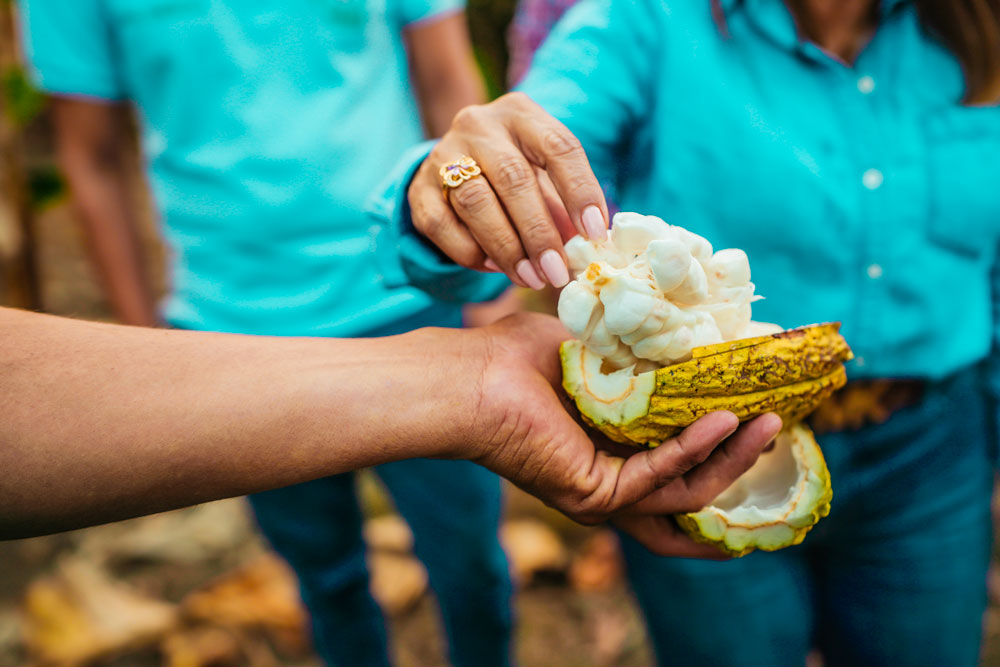
Fine aroma Cacao Also known as cacao Arriba or National cacao, this variety have the highest quality on the planet. Its color is yellow, has a unique aroma and flavor, is the key of the production of the finest gourmet chocolate and is highly requested in the world. International stores require a percentage of this cacao for the production of chocolates.

The market for the "Fine Aroma cacao", compared to the traditional one, is considered a small and highly specialized market, which has its own characteristics of supply and demand.
CCN-51 Cacao Its characteristic color is red. It's recognized for its high production characteristics used for the extraction of semi-finished products, essential ingredients for the production of chocolates, cosmetics and derivates.

In 1965, the agronomist Homero Castro Zurita created the CCN-51 cacao, in order to provide growers with a plant of high productivity, quality and resistance to "Witches' Broom", a disease that broke most cacao producers after its appearance in 1918.

Award-Winning Flavors of Ecuador

Ecuadorian chocolate has not only delighted taste buds but also garnered global recognition. It stands as a powerful symbol of excellence, sustainability, and rich ancestral heritage. The secret to each bar’s success lies in our country’s fertile land, the deep wisdom of its communities, and the ongoing innovation that has propelled our brands to rank among the world’s finest.

Pacari Considered one of the world's finest chocolates, Pacari has garnered over 208 national and international awards, including a gold medal at the International Chocolate Awards from 2012 to 2017. Crafted with 100% organic and minimally processed cacao, it guarantees purity, health, and flavor. Its Experience House in Quito offers tastings and workshops that celebrate this award-winning legacy. Currently, Pacari is listed among the best chocolate brands in the world by Taste Atlas and has been designated the official chocolate of FC Barcelona in Spain. To’ak Acclaimed for its exclusivity, To'ak has been chosen by luxury brands like Rolls-Royce, Bentley, Ferrari, Lamborghini, Apple, Louis XIII, Hennessy, Mercedes, Cartier, Robb Report, and Michelin chefs. Through its own genetic bank, it preserves the rarest, most prized, and valuable cacao variety in chocolate history: Ancient National cacao. Its packaging has received international awards for its Ecuadorian artisanal design, and though it doesn't compete in contests, its prestige is reflected in its luxury clientele across more than 70 countries. Kallari From the Ecuadorian Amazon, Kallari has captivated the world by offering two lines of chocolates: gourmet and artisanal. Forbes recognized it as the best chocolate bar, and its excellence has been honored with three silver medals at the Los Angeles Luxury Chocolate Salon. Produced by indigenous communities in Napo, it combines ancestral knowledge with international quality. Caoni The excellence of Ecuadorian cacao has been recognized globally thanks to Caoni. Its Esmeraldas 77% bar won the top award, "La Gran Barra Dorada" (The Grand Golden Bar), at the Ecuador Chocolate Awards. Each product highlights the cacao's geographical origin and offers combinations like coffee, passion fruit, and macadamia that reflect the country's rich diversity. República del Cacao Highlighted by the gourmet portal GAYOT.COM as one of the top 10 chocolate bars in the world and awarded at the Ecuador Chocolate Awards, this brand combines innovation with origin. From its Museum and Laboratory in Quito, the history and art of fine aroma cacao are shared through tasting, creation, and learning experiences. Additionally, it boasts 30 Chocolate Boutiques located across Ecuador, Peru, and Colombia. It is also currently listed among the best chocolate brands in the world by Taste Atlas. Hoja Verde A winner of multiple awards at the Ecuador Chocolate Awards and recognized by the German site chlt.net among the world's best chocolates, Hoja Verde offers bars with up to 100% fine aroma cacao. It achieves a balance of intensity, purity, and elegance that has charmed experts and chocolate lovers worldwide. It has also been included among the best chocolate brands in the world by Taste Atlas. Minka Recognized for its certified quality and community commitment, Minka has been honored with international certifications like Organic and Kosher. It crafts bars using cacao from five Ecuadorian haciendas, each with unique notes and aromas. Its name, meaning "collective work," reflects the philosophy of excellence that has made it stand out. Other Notable Brands Brands such as Noel Verde, Conexión Chocolate, Hoja Verde, Llankhay, and Huma Chocolate have been included in the list of the world's best chocolate producers by the gastronomic portal Taste Atlas, highlighting their excellence and international projection.

Let its aroma and flavor awaken your senses.

We want the world to know the origin of the delights produced in Ecuador. In the tourist routes of the Land of the Finest Chocolate, a multitude of adventures filled with exquisite sensations await you.

In the cocoa plantations of the Coast, Andes, and Amazon, you will experience rural life among the crops, tasting the fruit, enjoying its juice, roasting, peeling, and grinding the nibs to make your own chocolate bar or a traditional cup of hot chocolate.

Furthermore, you will find restaurants with menus crafted from fine aroma cocoa and specialized shops offering world-class chocolates, delightful tastings, and chocolate therapies.

Let their aroma and flavor awaken your senses.

Cocoa Museum, the history and tradition of the "Golden Bean."

This honorary distinction celebrates national and international individuals and institutions who, through various fields such as culture, gastronomy, tourism, commerce, and research, passionately and committedly promote Ecuador as the origin of the planet’s best cacao.

Cocoa Museum, the history and tradition of the "Golden Bean."

Immerse yourself in a journey filled with unique aromas and flavors, connected to the world’s finest cocoa. In the museum’s 15 educational rooms, you will find an exhibition of the history of cocoa, the remnants of ancient cultures, and the varieties found in our country.
Are you ready to learn more about the planting, cultivation, harvesting, and preparation of a chocolate bar?

Cocoa cultivation in Ecuador is ancient.

In 2022, Ecuador declared Ecuadorian cocoa and its production chain as a national tourist activity of interest, recognizing that Ecuador is the place of origin of cocoa due to the archaeological remains found from the Mayo Chinchipe culture (5,500 B.C.) in the Santa Ana area, in the Palanda canton, in the Amazon Region of the country. These studies make national and foreign tourists fully aware of the quality, purity, and diversity that Ecuadorian cocoa offers as a product that has been a part of our economic and cultural history.

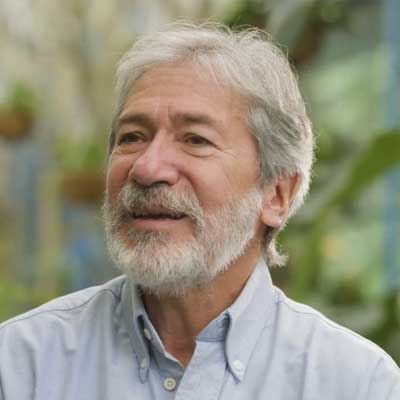
Francisco Valdez

Ecuadorian archaeologist and anthropologist.
Author of “Archaeological Evidence of the Social Use of Cocoa in the Upper Amazon.”

About Us

Official Site of International Promotion of the Ministry of Tourism of Ecuador.

More from Ecuador

Receive news

We share useful information for your next trip to the country of the four worlds.

Social networks

www.turismo.gob.ec

2004-2023 Ecuador Travel. All rights reserved.