

Ecuador Once Again Stands Among South America’s Leading Tourist Destinations – Copy

Ecuador’s Nights Are a Destination of Their Own

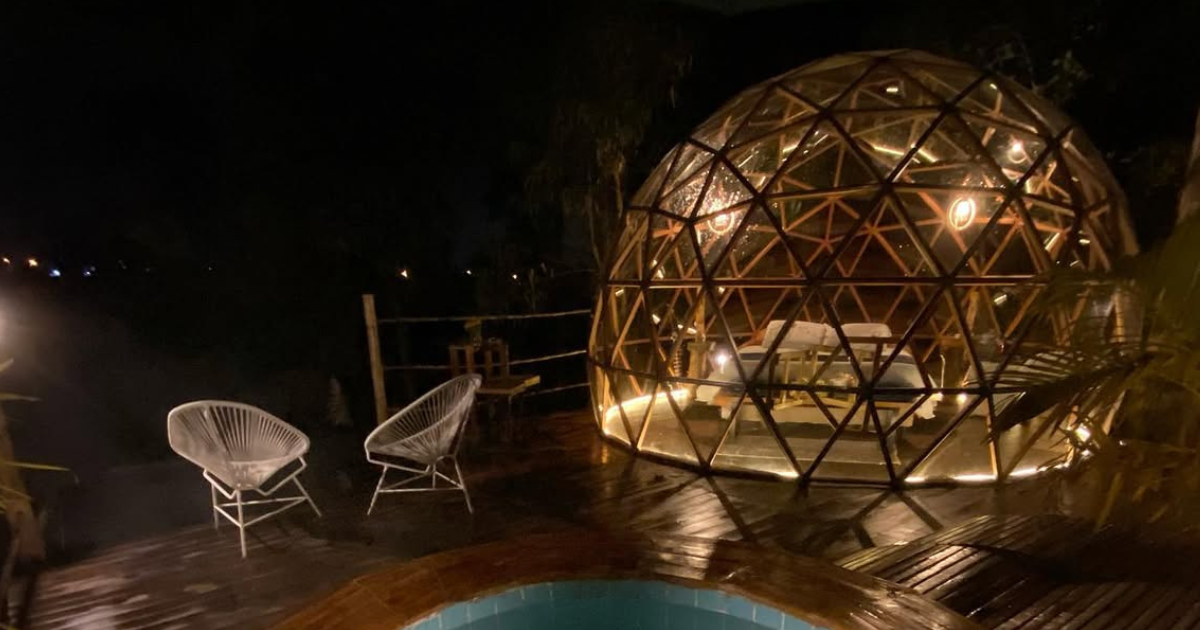
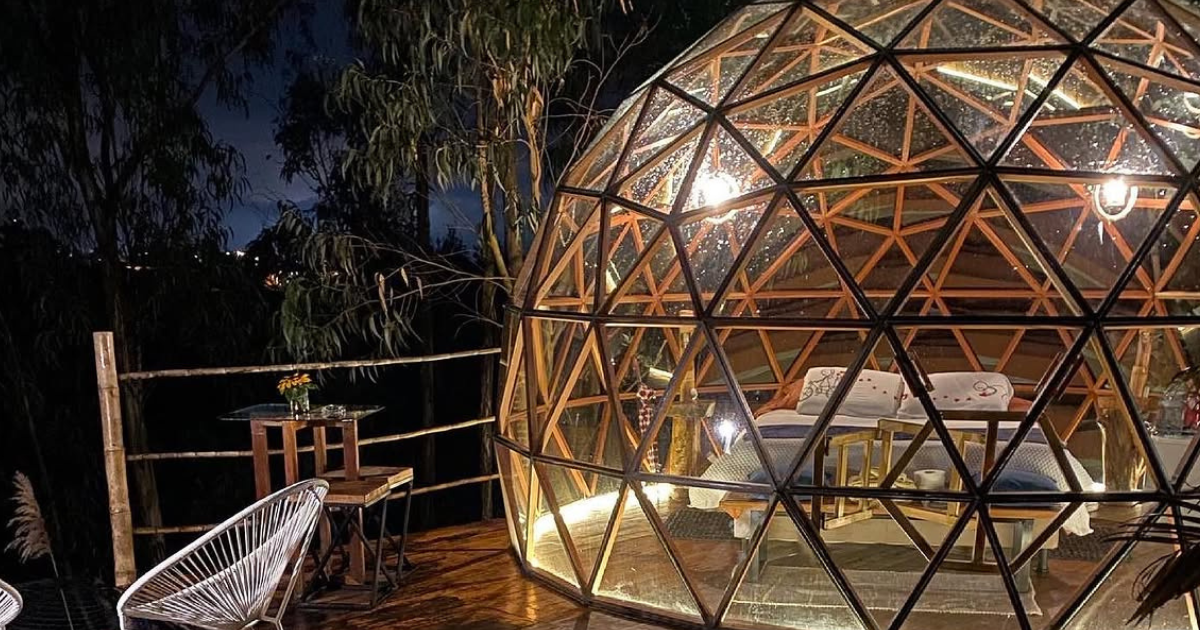
In Ecuador, sleeping beneath the stars is almost a ritual for those who love to travel. From beaches and highland páramos to volcanoes, cloud forests, and the Amazon rainforest, the country offers countless places where spending the night surrounded by nature becomes a unique way to experience each destination. For years, this was also Camila’s favorite way to travel: a backpack, a tent, and the excitement of waking up every weekend in a different corner of Ecuador.

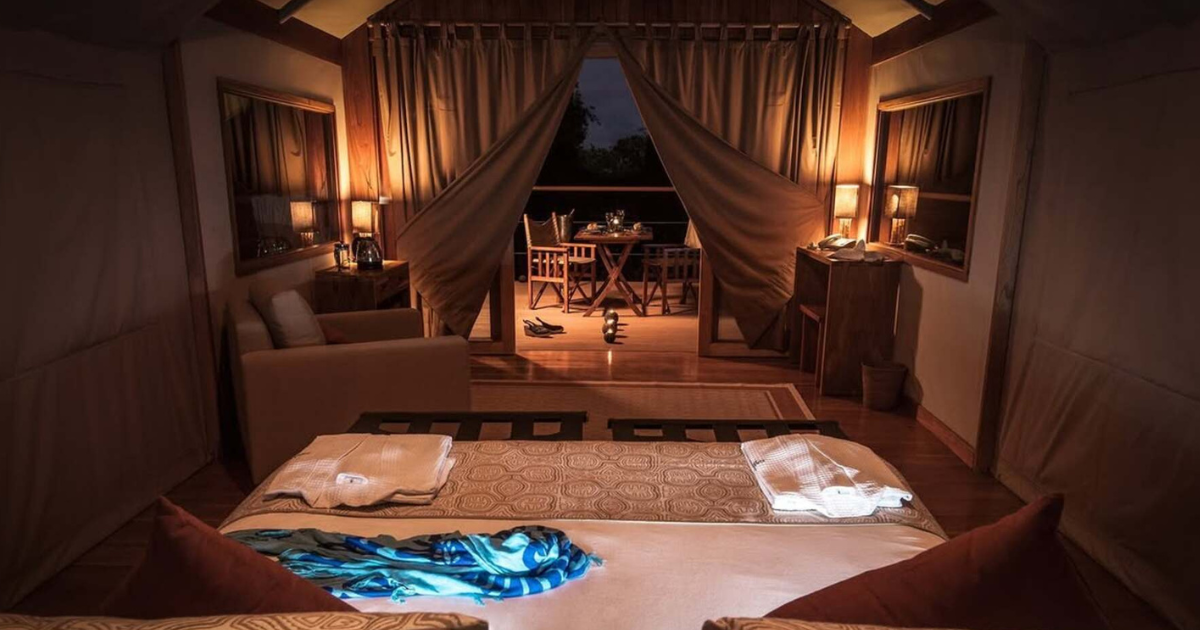
Until one night changed everything. The rain began after she had already pitched her tent, the cold slowly crept through her blankets, and getting a good night’s sleep became nearly impossible. The next morning, while waiting for her coffee to brew, she searched for alternatives on her phone. That was when she came across a word she had never heard before: glamping. The idea of staying immersed in nature while enjoying a little more comfort immediately caught her attention. It didn’t take long before it became the inspiration for her next adventure.

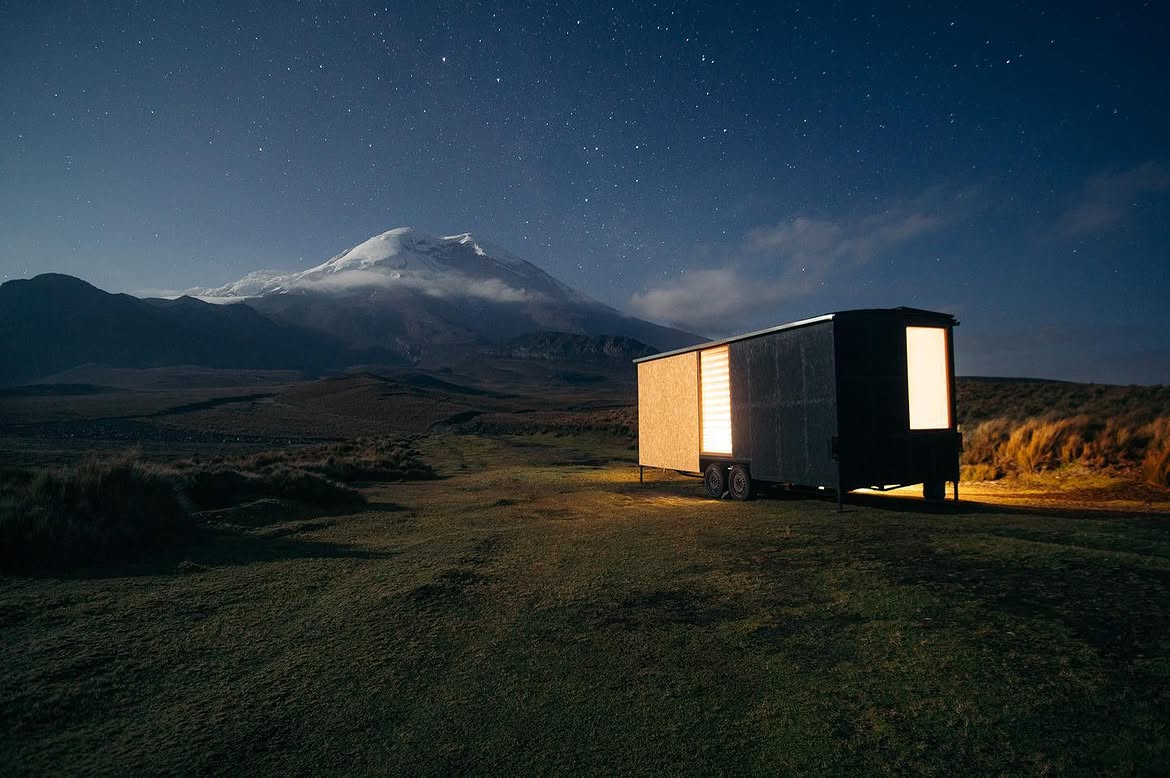
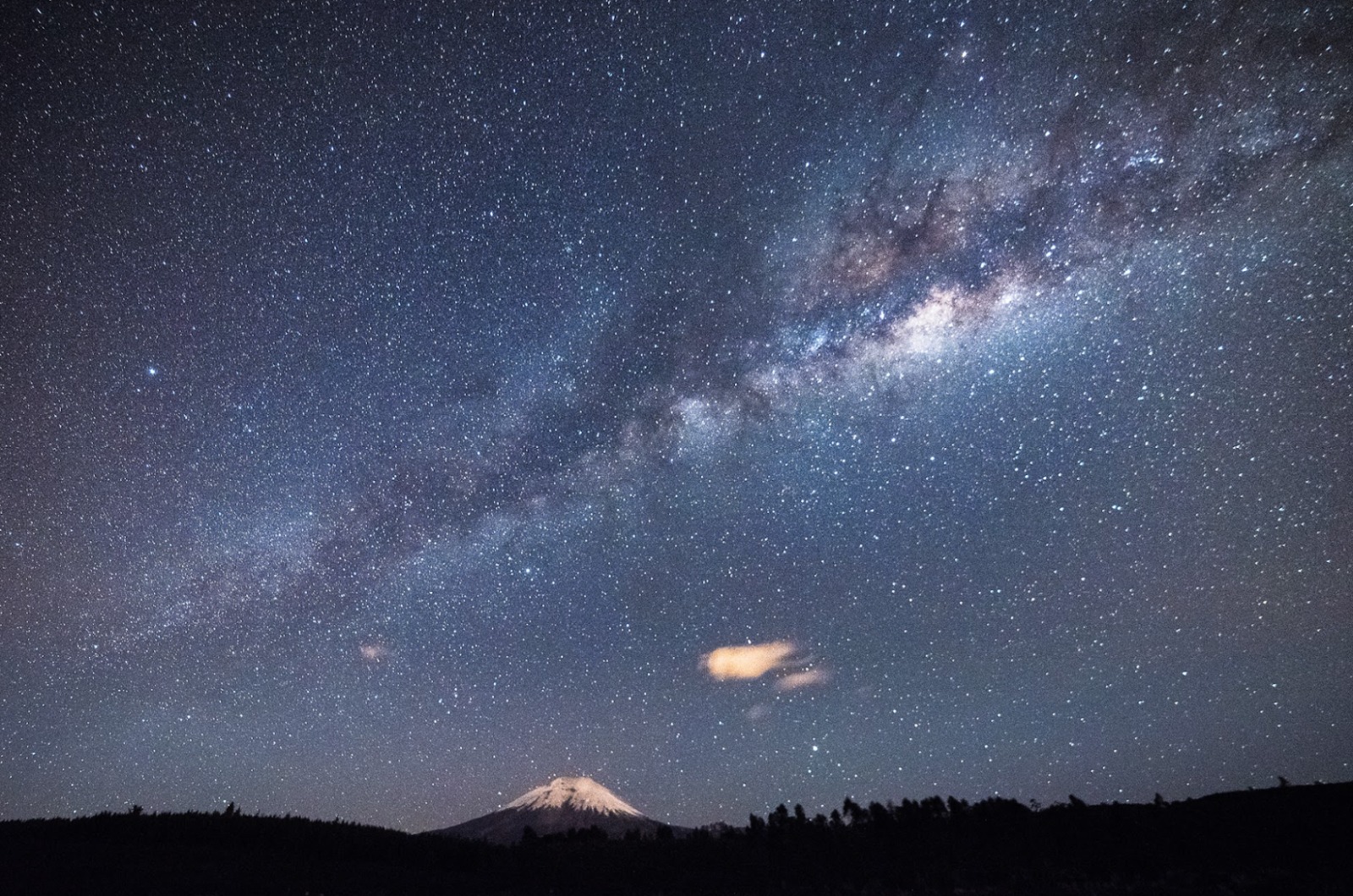
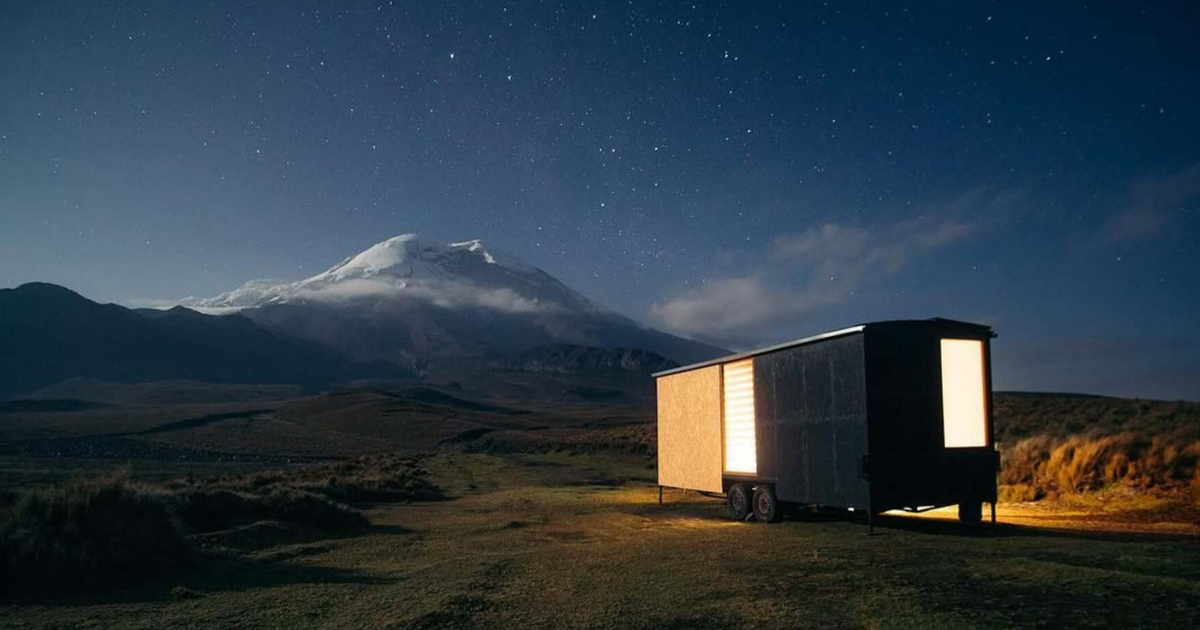
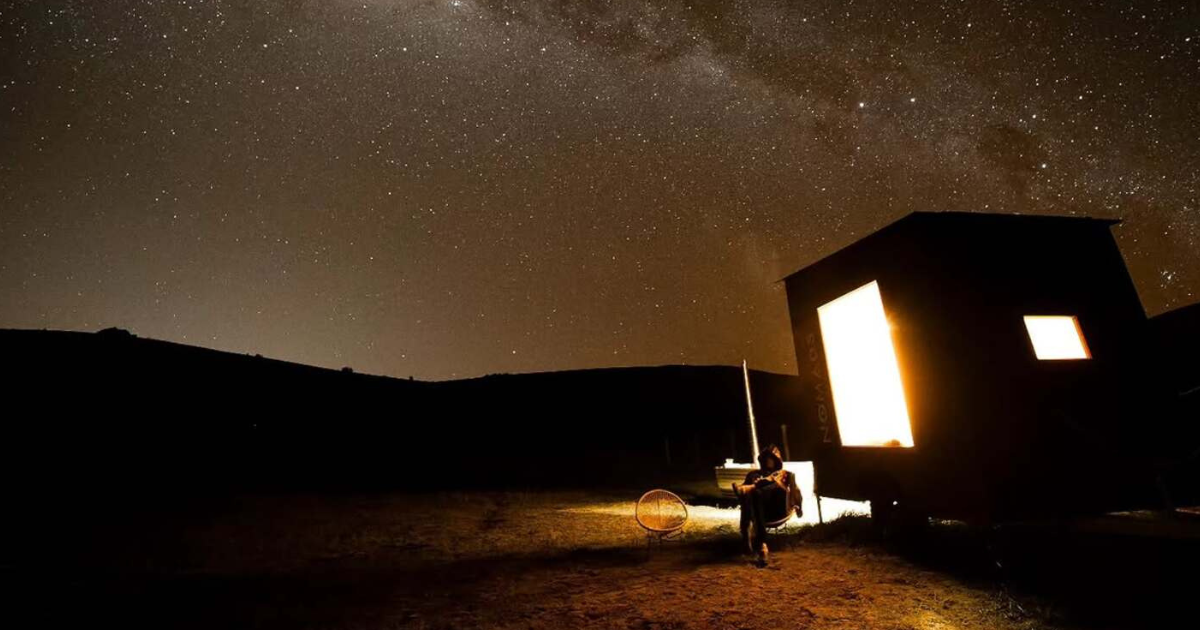
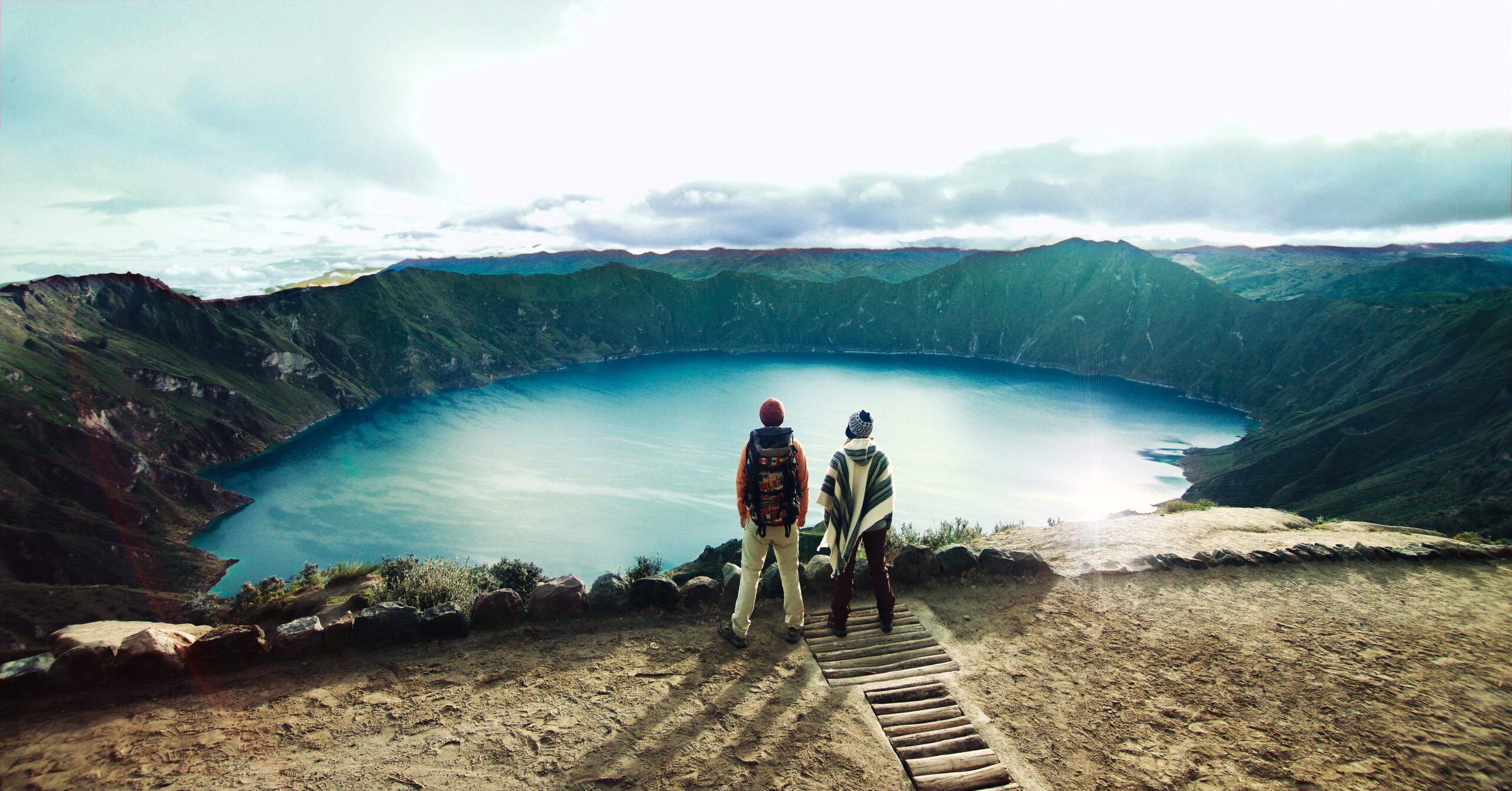
Her first stop was Nomads Ecuador, in Chimborazo Province. At nearly 3,800 meters (12,500 feet) above sea level, the sky felt incredibly close. As the páramo fell silent, Camila stepped outside her dome with a cup of hot chocolate and looked up. She had never seen so many stars at once. The following morning, Chimborazo Volcano revealed itself in all its grandeur, providing the perfect finale to one of the most breathtaking sunrises in the Ecuadorian Andes.

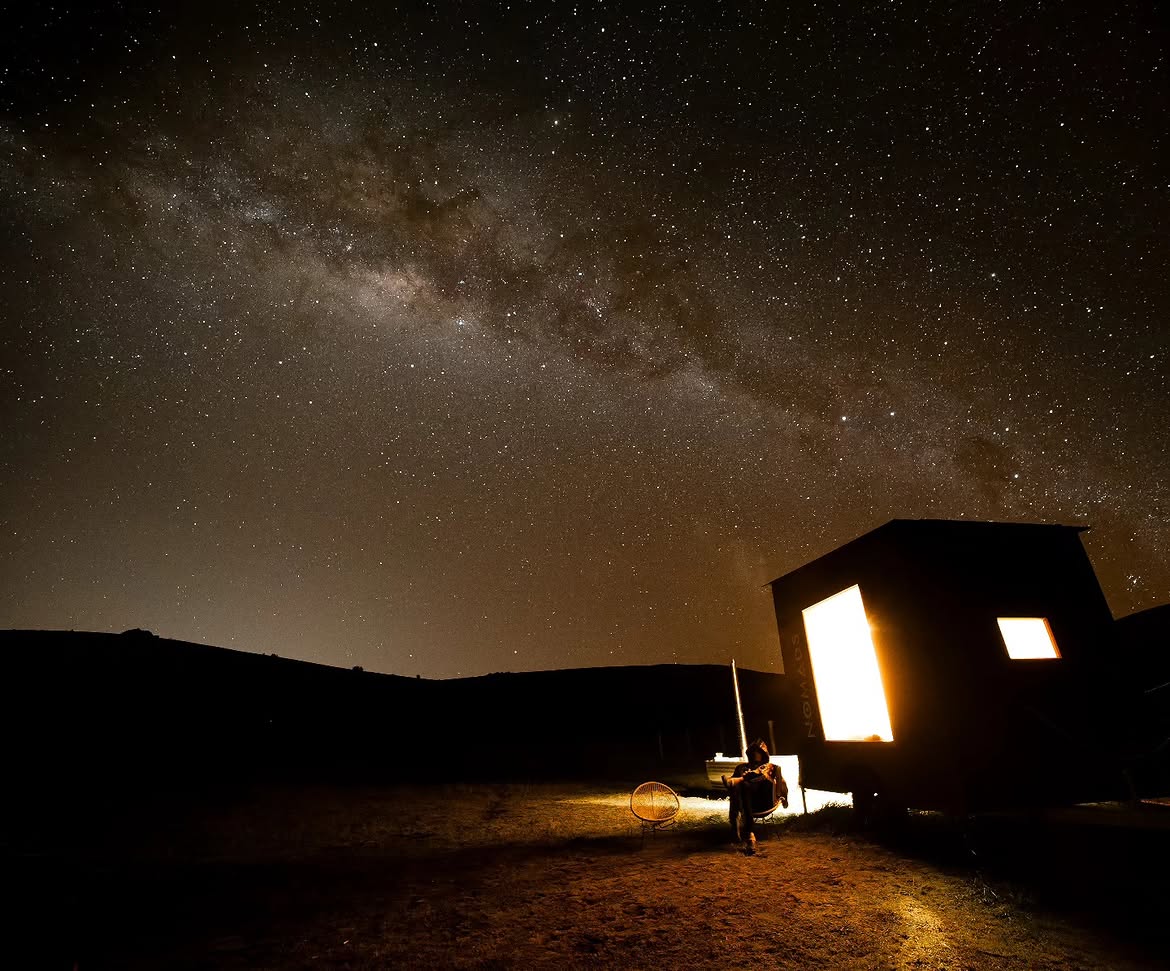
One weekend, she surprised her partner with a getaway to Samay Collections, in Tababela. After dinner, they turned off the garden lights and let the moon and the constellations become the stars of the evening. Some time later, a trip with friends brought her to River Lux Glamping, in Imbabura. No one was in a hurry to return to their dome. The campfire slowly faded, the gentle sound of the river filled the silence, and everyone ended up lying on a blanket, trying to identify the constellations shining above the mountains.

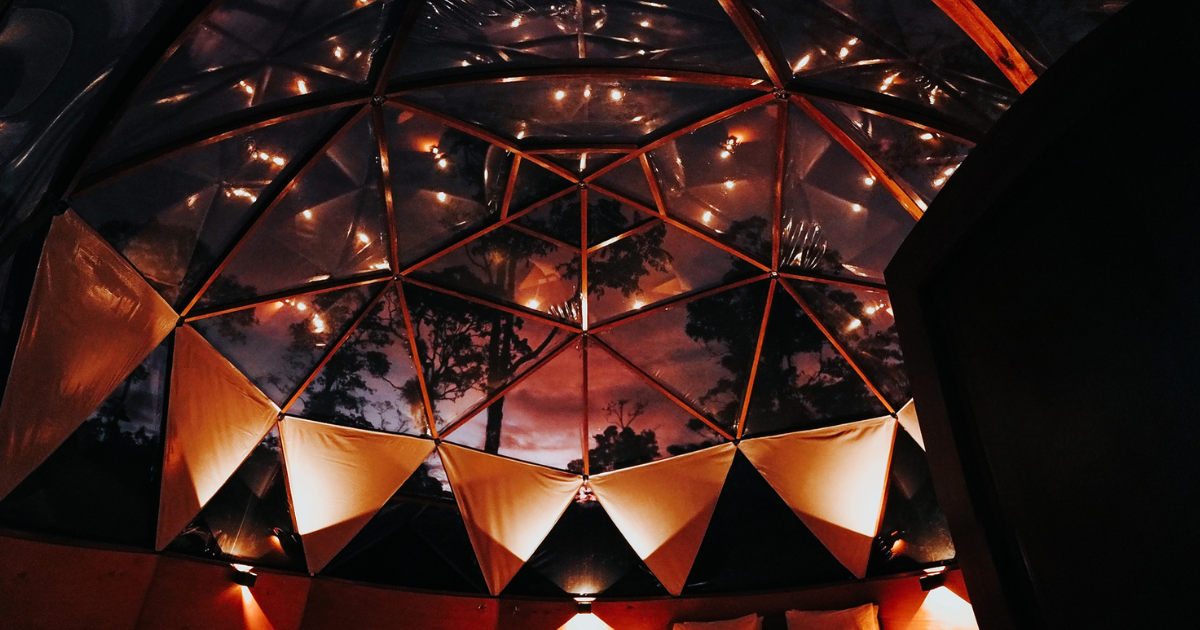
Her vacation later took her to the Ecuadorian Amazon. At Macas Glamping, the nighttime experience began inside the accommodation itself. Lying beneath a ceiling that opened onto the night sky, Camila watched the stars emerge above the treetops while the warmth of the private jacuzzi lingered nearby. Outside, the rainforest remained alive with the sounds of crickets, frogs, and nocturnal birds.

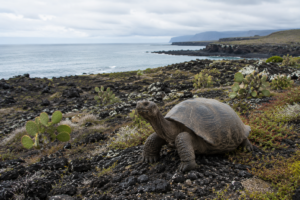
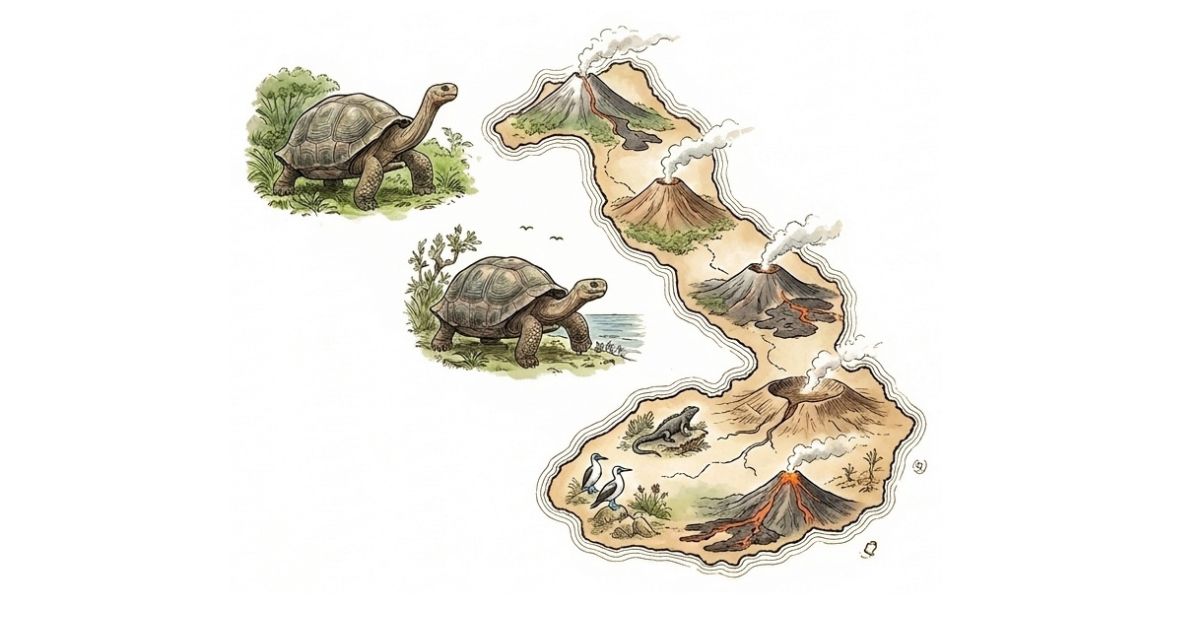
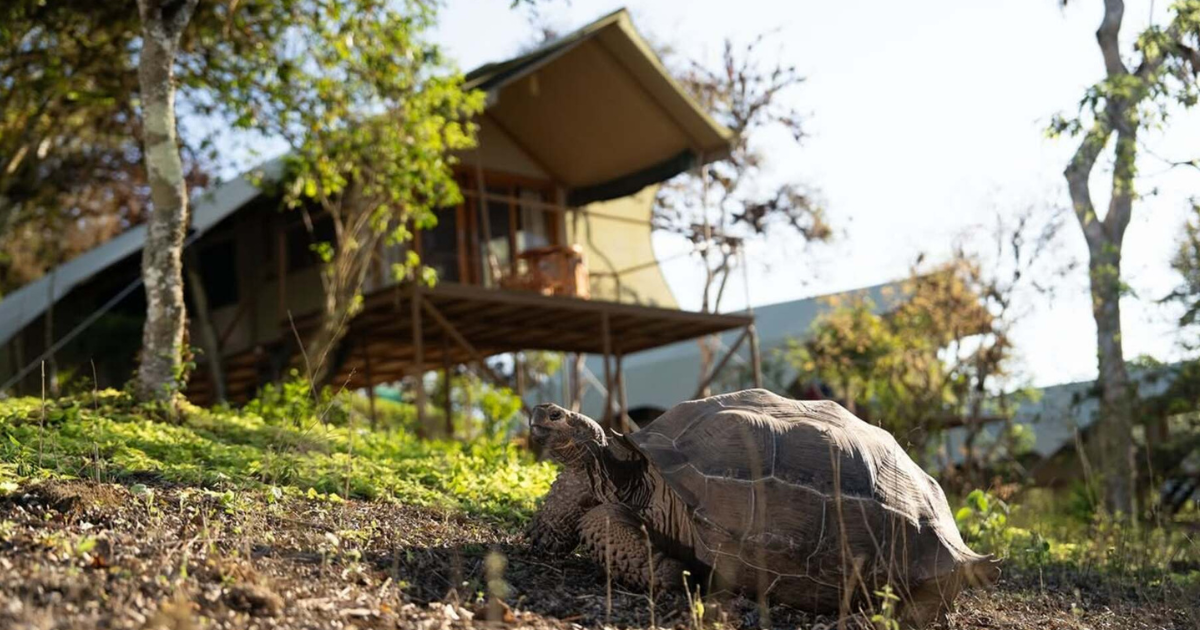
Months later came the journey she had dreamed about for years: Galápagos Safari Camp, on Santa Cruz Island. After spending the day hiking trails and encountering giant tortoises, the best plan was simply to let the night unfold. Beneath one of the clearest skies imaginable, the stars seemed to stretch endlessly until they blended into the Pacific Ocean, making the evening just as unforgettable as exploring the islands themselves.

When summer arrived, she packed her backpack once again, this time heading for Ecuador’s Pacific coast. At Cabalonga EcoAdventure, in Pedernales, the night slowly gave way to dawn as the last stars reflected over the ocean. Near the end of the year, one final getaway brought her to El Prado Glamping, in Saraguro. There, she discovered that the best part of the experience began when every light was turned off. A blanket of stars embraced the mountains of southern Ecuador, creating a sense of complete tranquility. At sunrise, the landscape invited her to explore nearby trails and enjoy the outdoors before heading home.

Camila returned convinced that she had never stopped loving camping she had simply discovered another way to experience nature. Some trips would still call for a tent, others for a dome, but the reason to return would always remain the same: realizing that in Ecuador, the nights are part of the journey too.

More similar content

Ecuador Once Again Stands Among South America’s Leading Tourist Destinations

Ecuador Once Again Stands Among South America's Leading Tourist Destinations

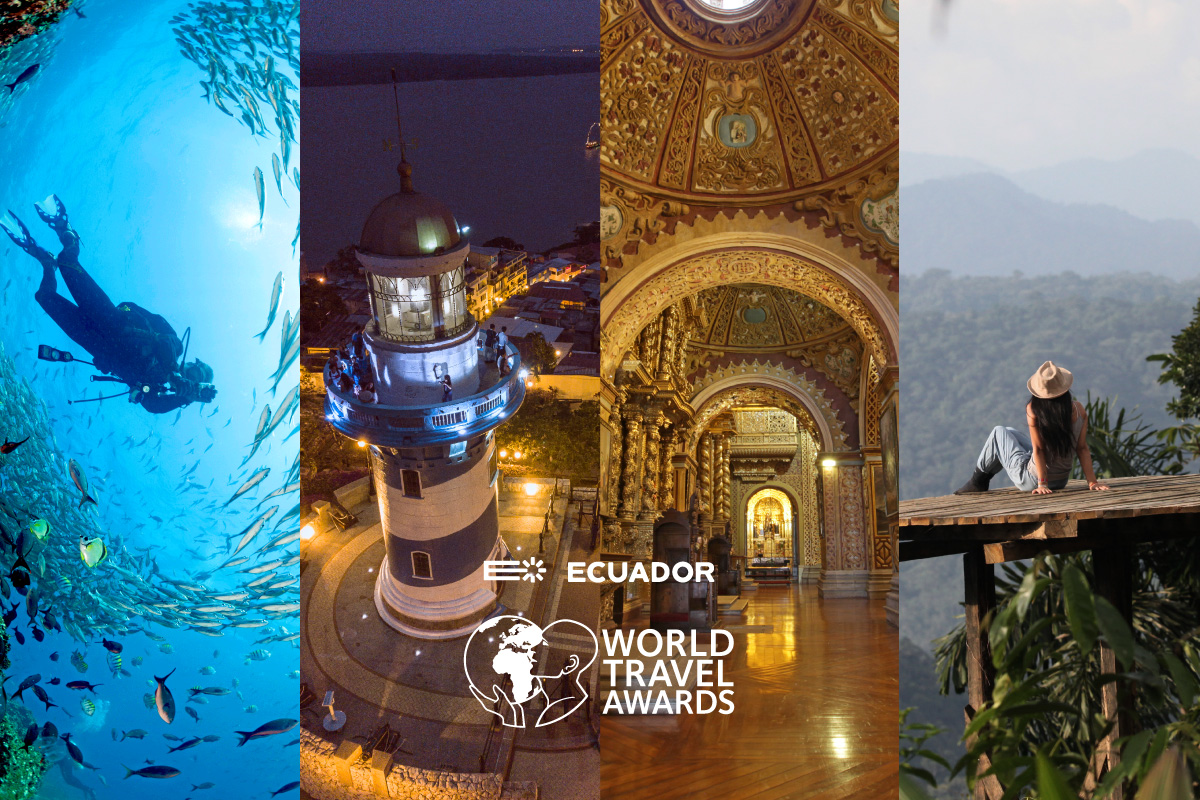
Some destinations captivate visitors with their beaches. Others are renowned for their gastronomy, heritage, or breathtaking landscapes. Ecuador, however, offers something few destinations can: it excels in all of them at once. The 2026 World Travel Awards widely regarded as the tourism industry’s most prestigious honors have once again confirmed that distinction, placing Ecuador among South America’s leading travel destinations with an impressive 57 nominations.

These are far from Ecuador’s only nominations. The country is also in the running for South America’s Leading Adventure Tourism Destination, Nature Destination, Cultural Destination, Culinary Destination, Sustainable Tourism Destination, Whale Watching Destination, and Cruise Destination. Few countries in the region are represented across such a wide range of categories in a single edition. Together, these nominations reflect the remarkable diversity of a country where, in just a few hours, travelers can journey from the Andes to the Amazon, from the Pacific coast to the Galápagos Islands, from UNESCO-listed heritage cities to ancestral communities, and from one distinctive culinary tradition to another.

Four Cities, One Destination

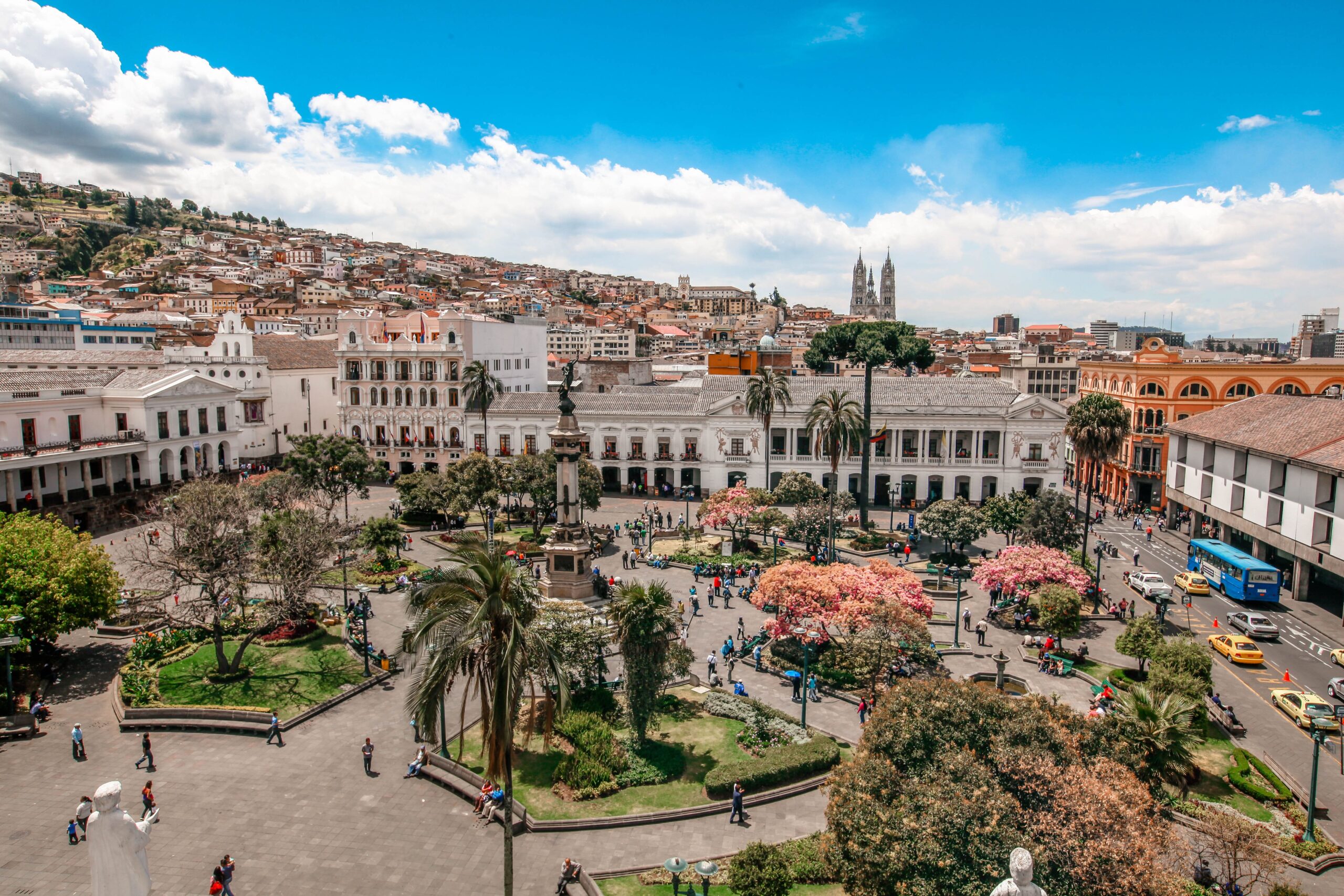
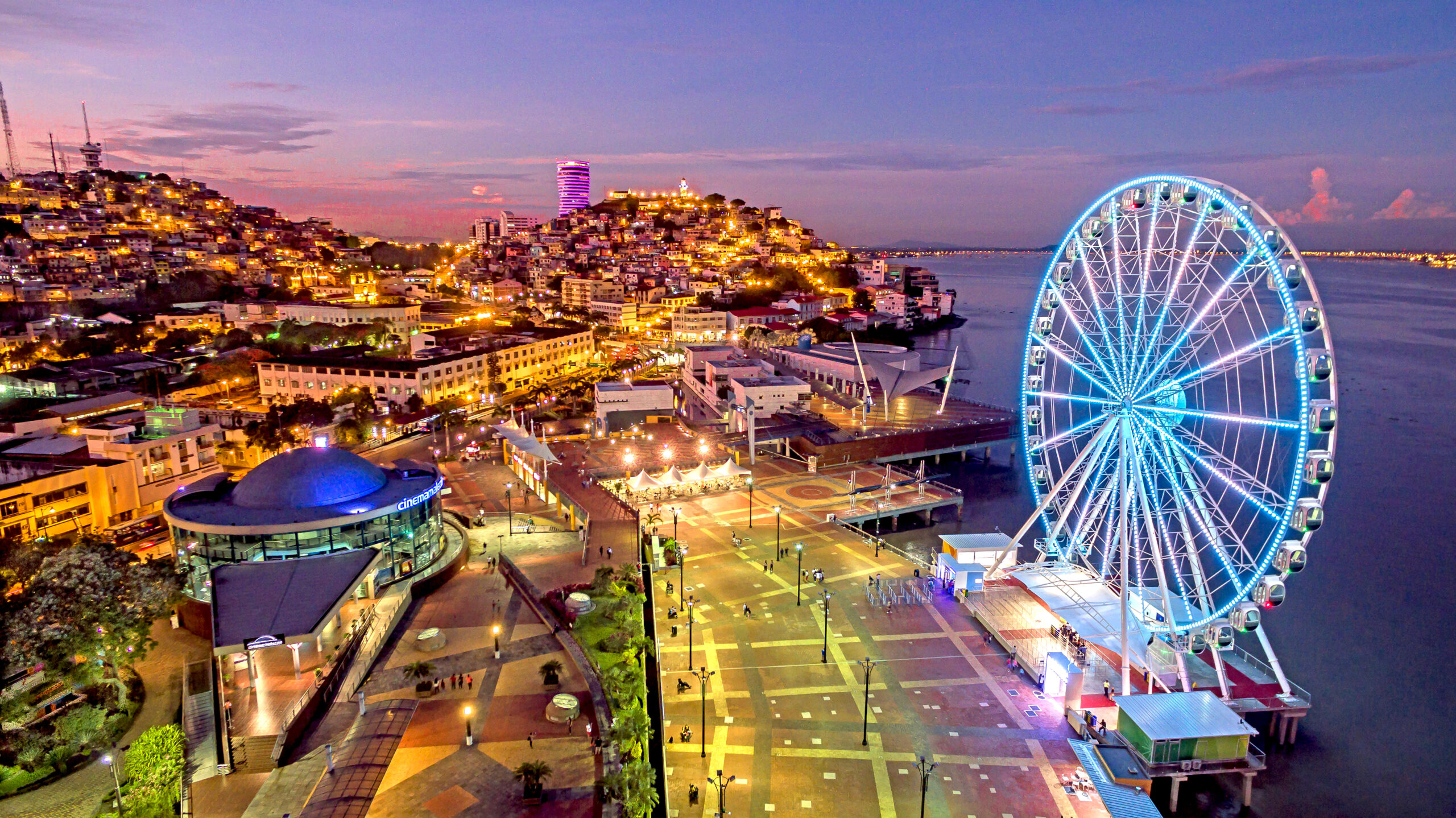
The scale of this recognition is also reflected in the cities that strengthen Ecuador’s presence at the World Travel Awards. Quito, where one of Latin America’s best-preserved historic centers coexists with a vibrant contemporary urban scene, is competing for South America’s Leading City Destination and South America’s Leading Cultural City Destination. Meanwhile, Guayaquil whose iconic Malecón symbolizes the city’s transformation and growing appeal has earned nominations for South America’s Leading City Break Destination and South America’s Leading Meetings and Conference Destination, reinforcing its position in two of the region’s fastest-growing tourism segments.

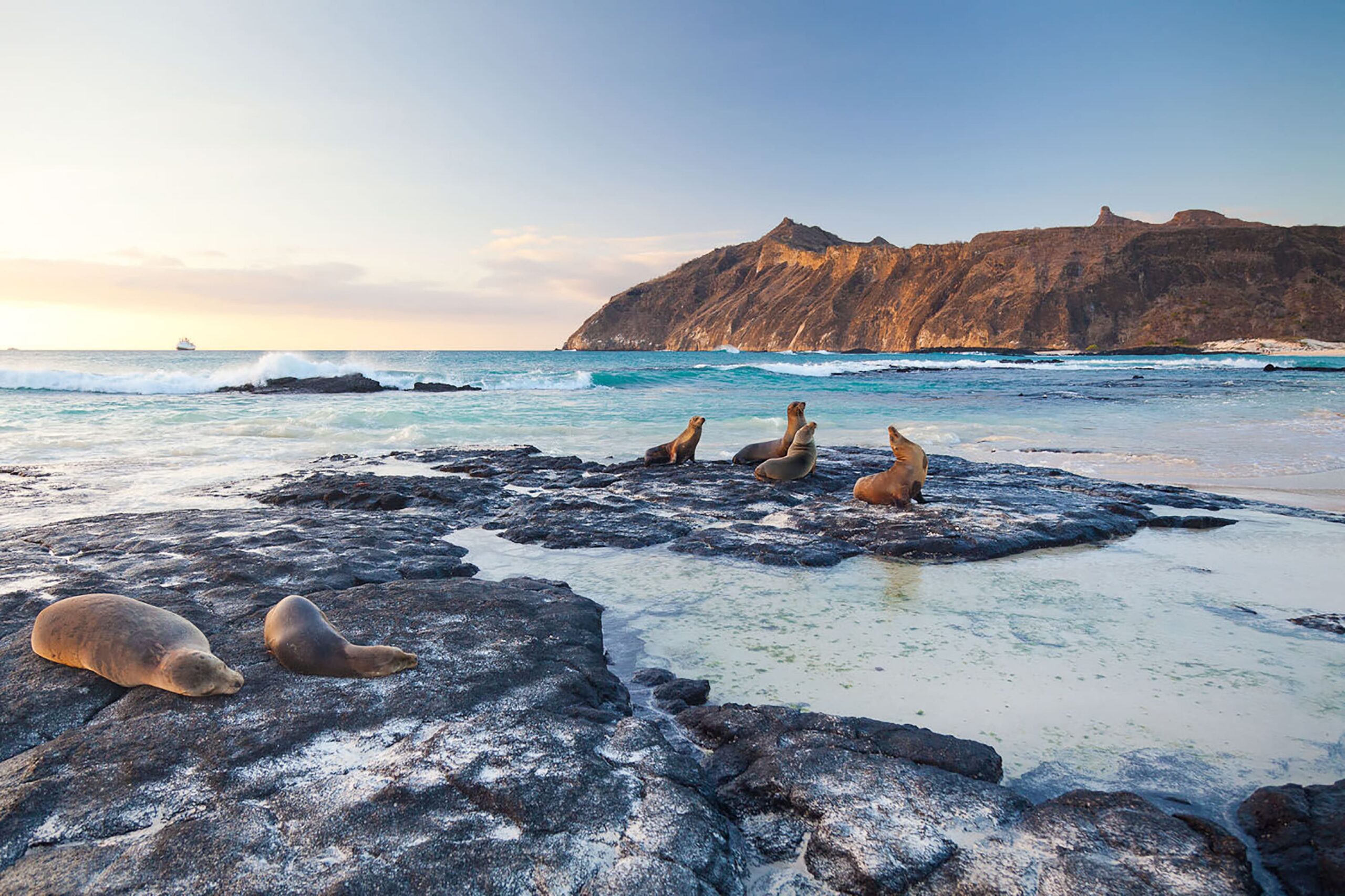
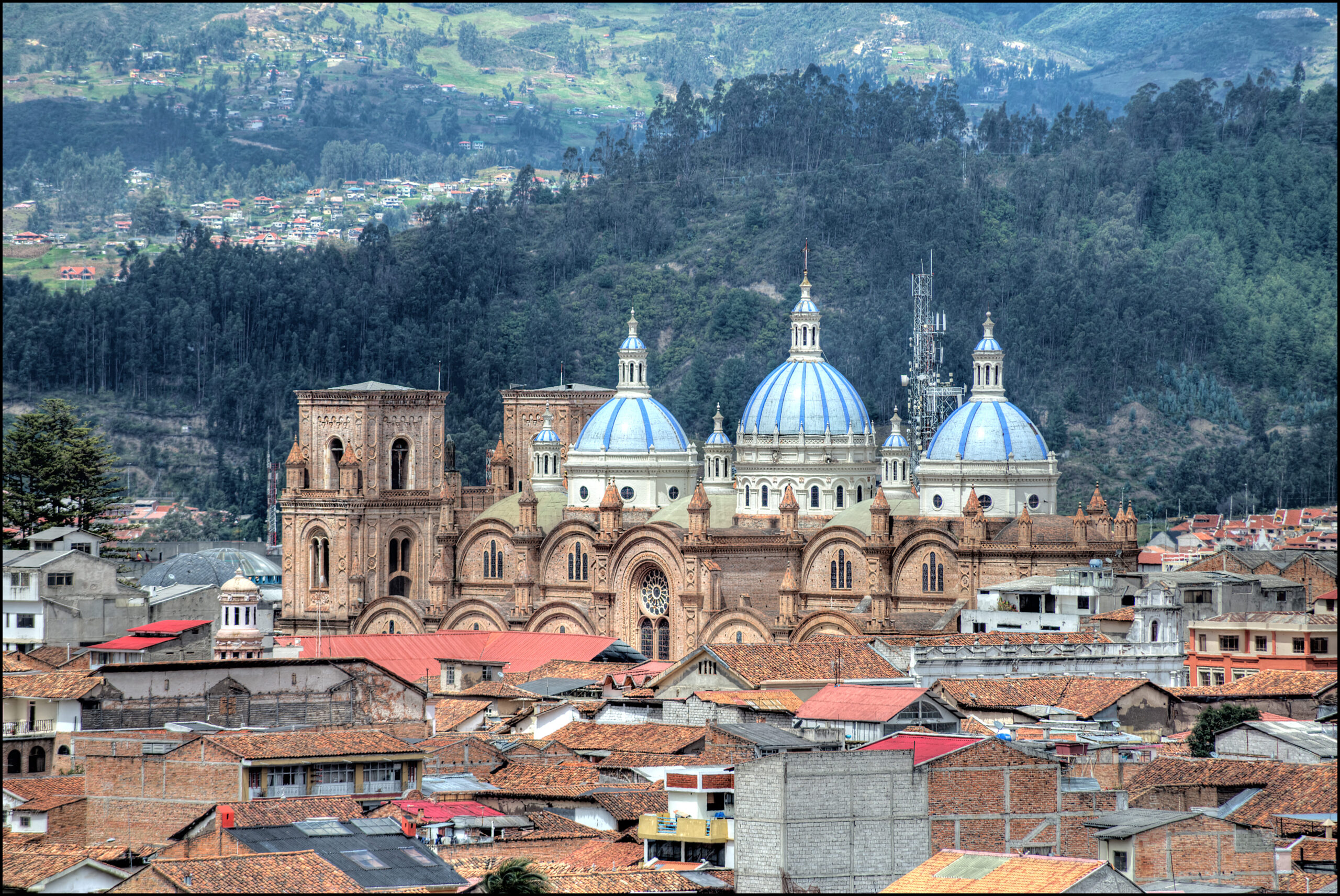
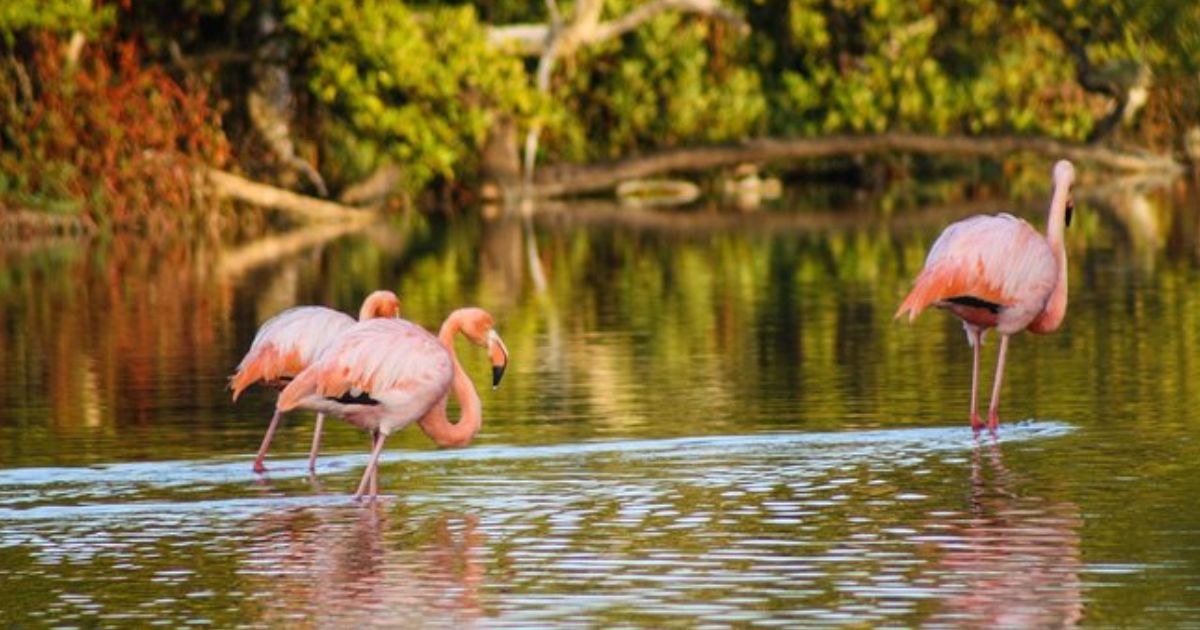
While Quito and Guayaquil showcase the strength of Ecuador’s major cities, Cuenca and the Galápagos Islands highlight another side of the country’s appeal destinations with unmistakable character and global recognition. Cuenca, a UNESCO World Heritage Site celebrated for the harmony of its colonial architecture, is once again competing for South America’s Leading City Break Destination. Meanwhile, the Galápagos Islands, one of the world’s most iconic and biodiverse archipelagos, reaffirm their international prestige with nominations for South America’s Leading Beach Destination, South America’s Leading Honeymoon Destination, and South America’s Most Romantic Destination.

The 57 nominations tell a story that goes far beyond an awards competition. They speak of a country where nature and heritage cities exist side by side, where every region offers a distinct identity, and where the collective efforts of destinations, tourism businesses, and local experiences have positioned Ecuador among South America’s leading travel destinations. It is a country where nature, culture, cities, gastronomy, and hospitality do not compete with one another they come together to explain why Ecuador once again stands among South America’s premier travel destinations.

How to Support Ecuador at the World Travel Awards

The next chapter now belongs to travelers. Voting for the 2026 World Travel Awards South America remains open until August 28, 2026. Travelers can show their support for Ecuador and its nominated destinations, cities, hotels, tour operators, and tourism experiences by casting their vote here https://www.worldtravelawards.com/nominees/2026/ecuador
Every vote helps strengthen Ecuador’s position among South America’s leading travel destinations.

More similar content

Ecuador and its World Heritage Sites

Ecuador and its World Heritage Sites

There are countries that amaze because of their size. Others, because of their diversity. And then there’s Ecuador: a small territory where the soul of the world beats strongly. In this land that embraces the Pacific, rises through the Andes, and reaches into the Amazon, coexist the World Heritage Sites recognized by UNESCO. They are open doors to history, nature, and living cultures that have endured through time.

From the first historic center ever declared a World Heritage Site to a fabric woven with patience and ancestral wisdom, each of these treasures holds a promise to encounter what is essential, beautiful, and authentic.

Historic Centre of Quito

Where history is written in stone and gold leaf
Iglesias de Quito

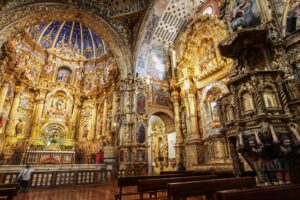
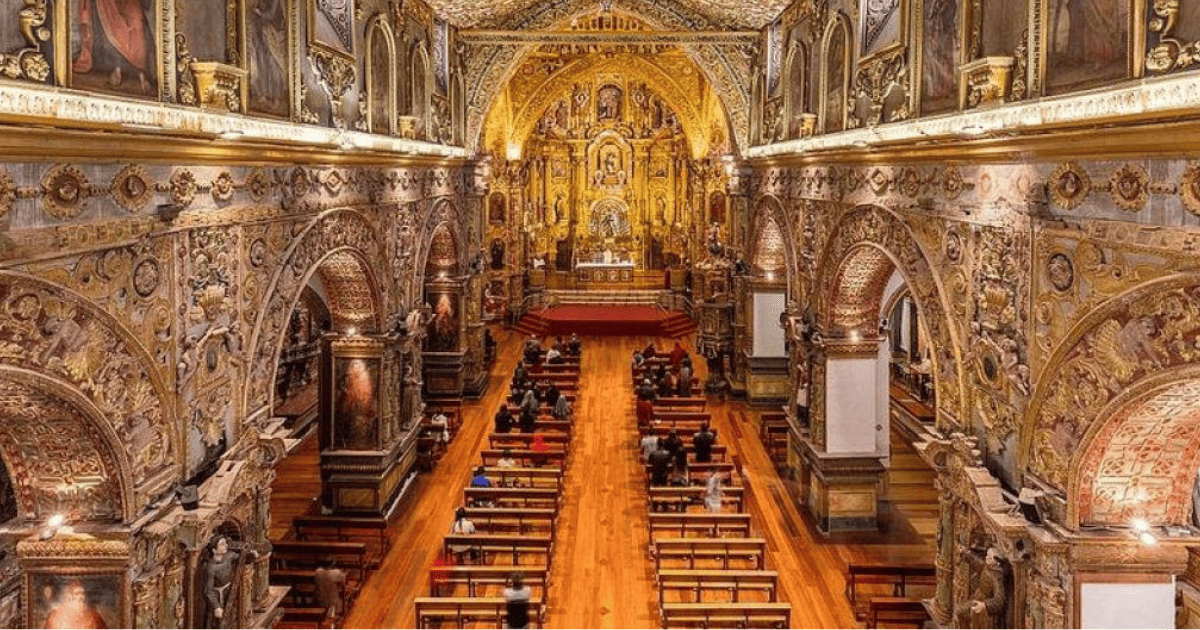
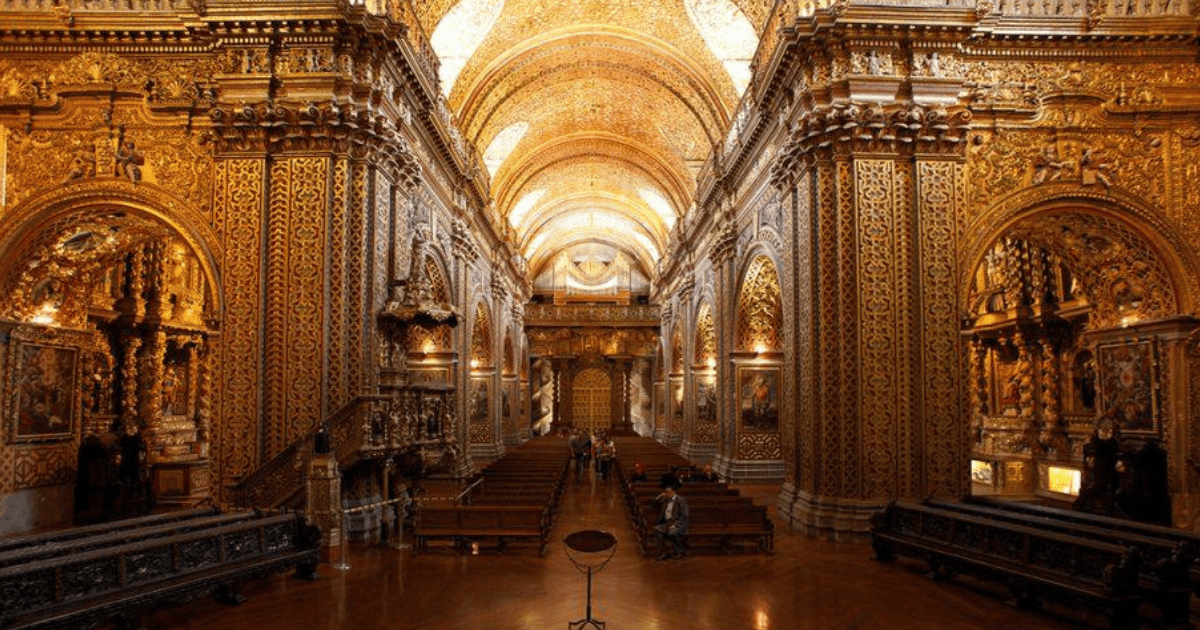
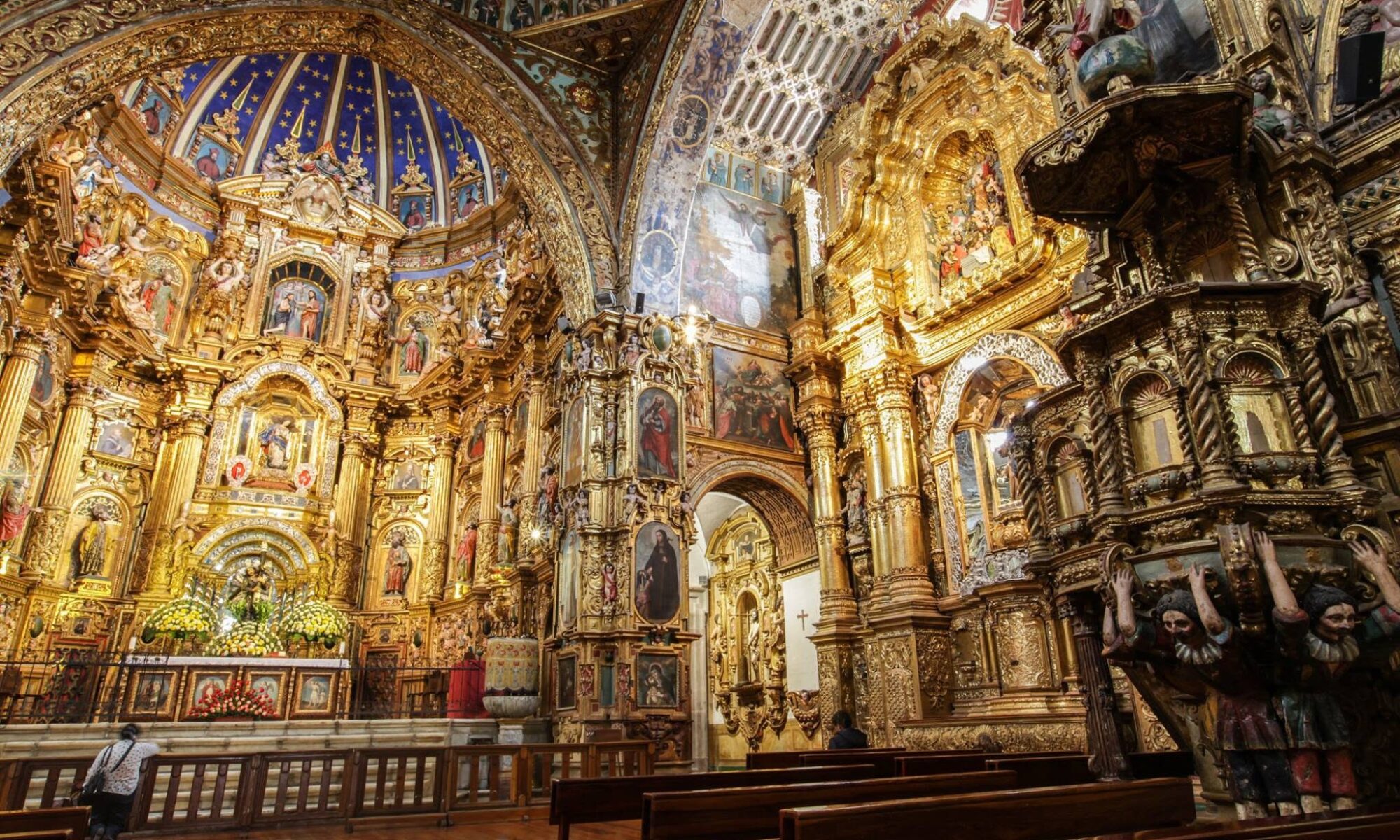
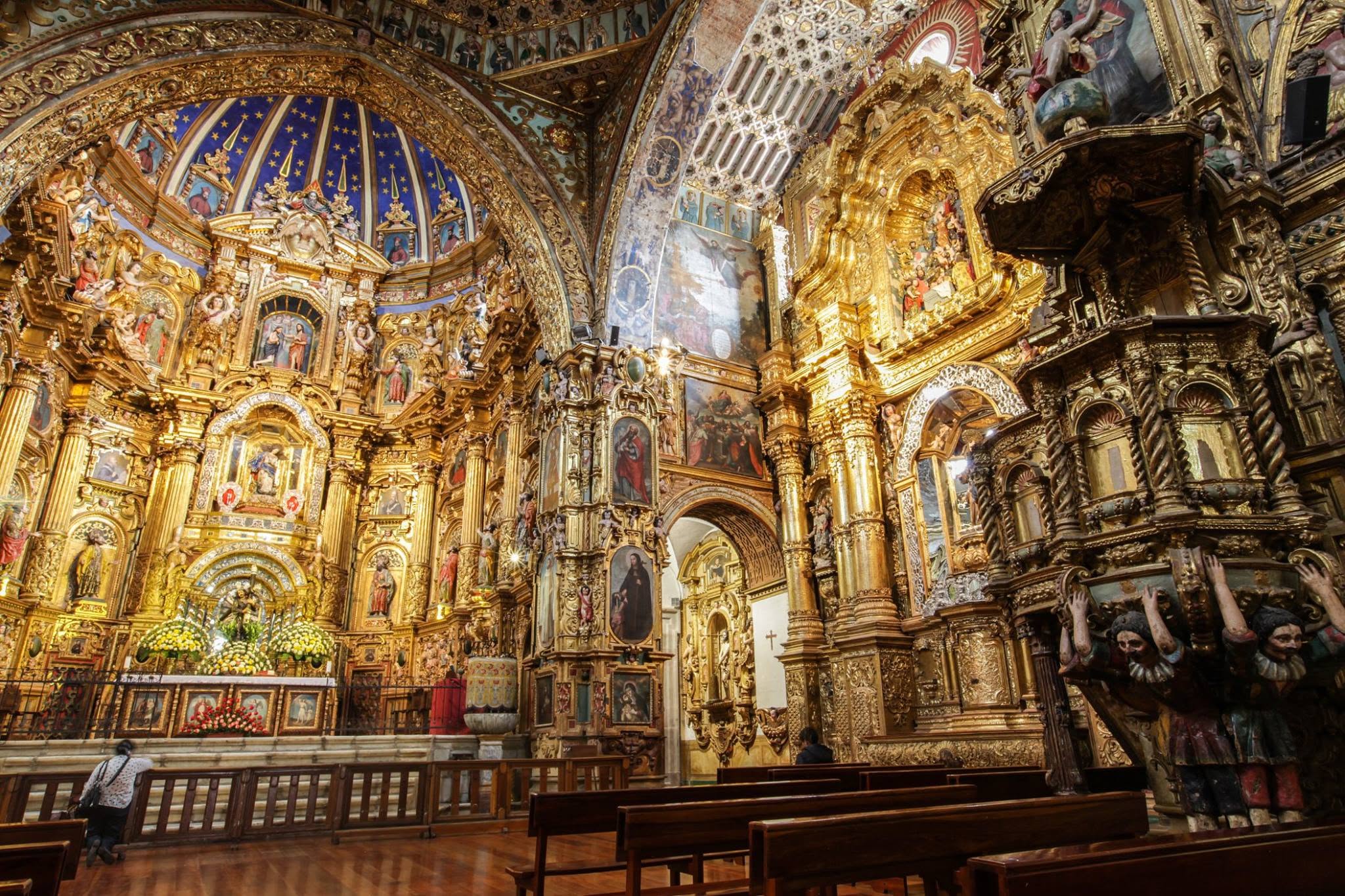
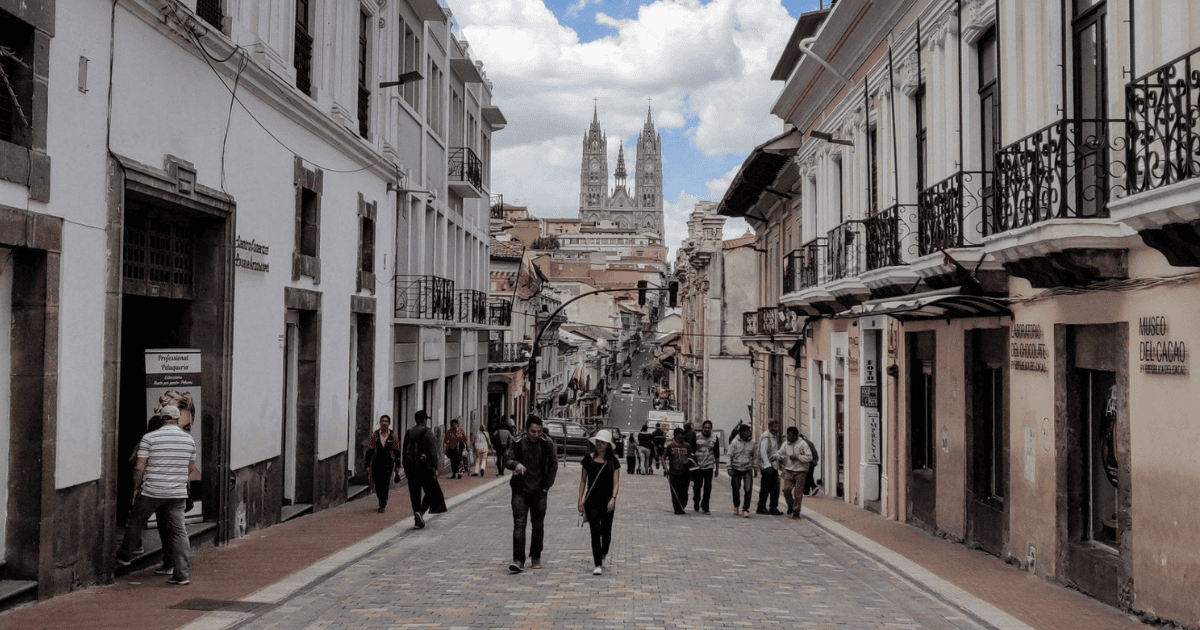
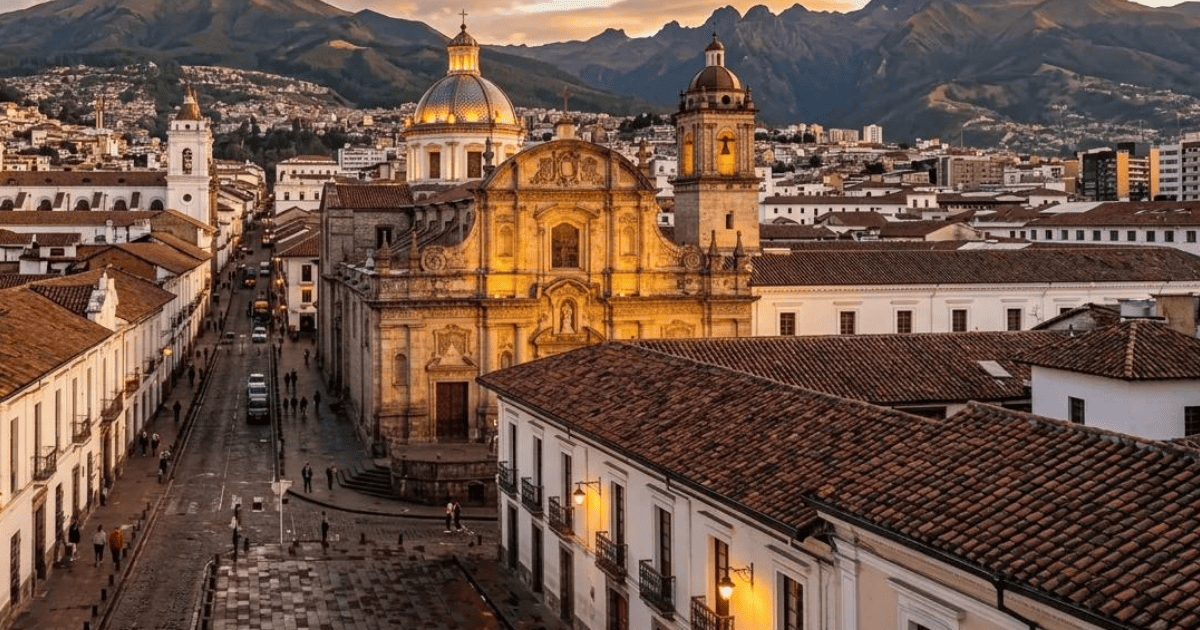
In the heart of the Andes lies one of the best-preserved historic centers in Latin America. Quito captivates with its baroque architecture, lively squares, churches covered in gold leaf, and an urban landscape that seems frozen in the 17th century. Walking through its cobblestone streets, it’s easy to understand why it became the first site in the world to be declared a UNESCO World Cultural Heritage Site in 1978. From El Panecillo hill to La Compañía church, Quito is not just a place to visit, it’s a place to admire and breathe in.

Galapagos Islands

The place where evolution became visible

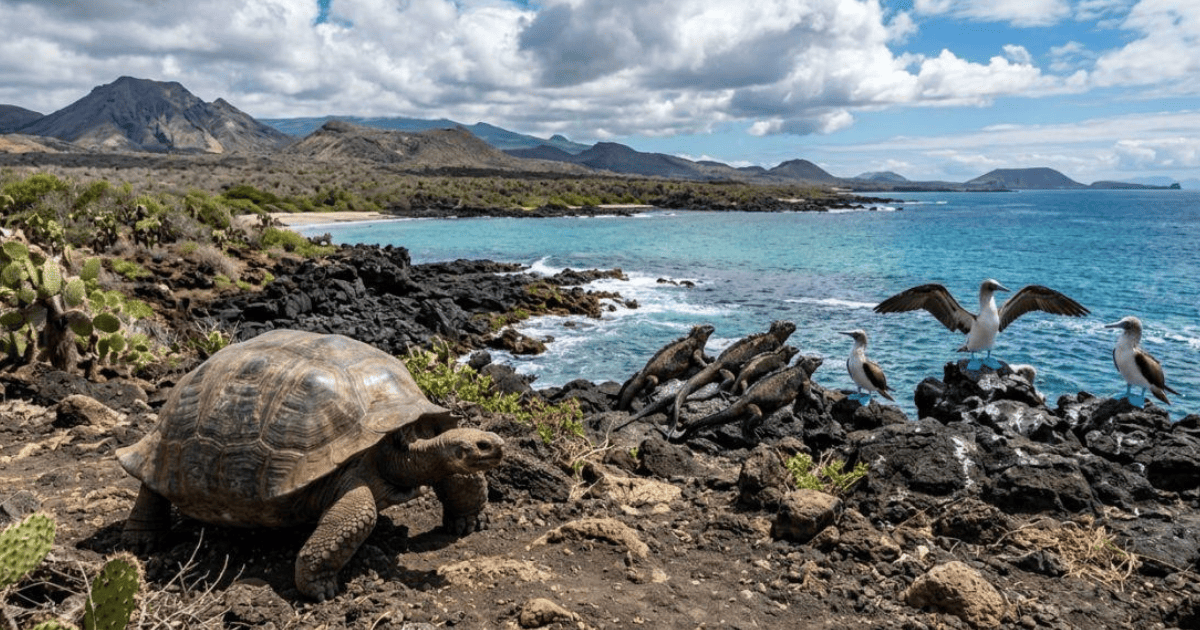
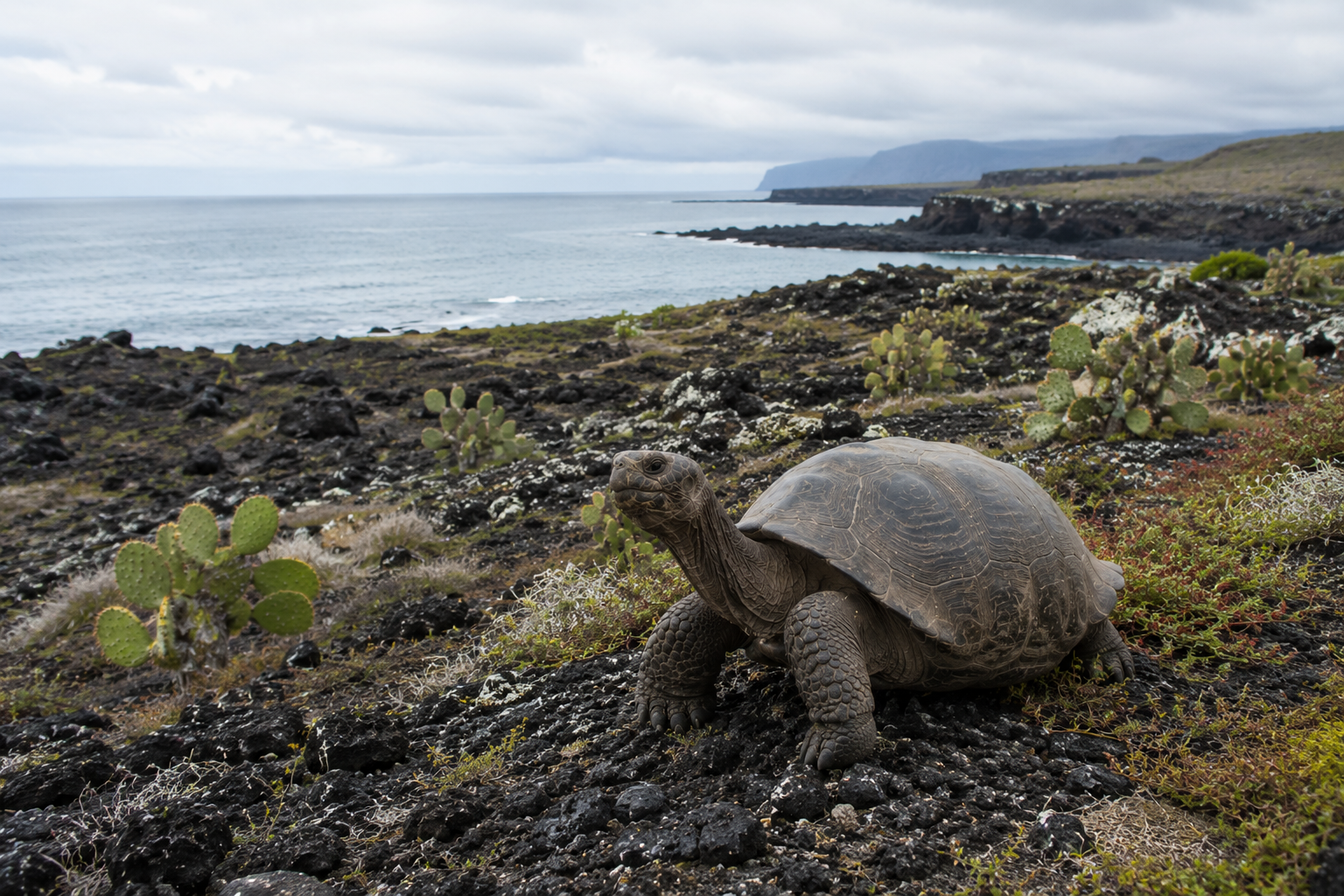
These magical islands have inspired scientists, artists, and travelers from all over the world. Their unique biodiversity, volcanic landscapes, and fearless wildlife make them a natural setting like no other. It was precisely this biodiversity that led UNESCO to recognize the Galápagos as a Natural World Heritage Site in 1978, in the same first list that included Quito. A journey to the Galápagos is a voyage to the very origin of life.

Sangay National Park

Extreme nature, resilient life
Parque Nacional Sangay - Patrimonio del Ecuador

Three active volcanoes, more than 300 lagoons, cloud forests, jungles, and highland moors make up this natural treasure hidden between the Andes and the Amazon. It is home to condors, spectacled bears, tapirs, and an astonishing variety of ecosystems within a single park. For its biodiversity and extreme landscapes, Sangay National Park was inscribed as a Natural World Heritage Site in 1983, making it one of the most diverse on the planet. A total immersion in the untamed.

Historic Centre of Cuenca

Harmony between history, landscape, and urban life

The Historic Center of Cuenca was declared a Cultural World Heritage Site in 1999 for its colonial architecture, perfectly integrated into the Andean landscape. The city was built upon the remains of the ancient Inca city of Tomebamba and preserves an orderly, elegant urban layout filled with churches, squares, bridges, and heritage mansions. It was also recognized for its ability to maintain its cultural identity over time, adapting to modernity without losing its essence. Cuenca is a living city that honors its past.

Toquilla Straw Waving

Memory, art, and dignity

Inscribed in 2012 as an Intangible Cultural Heritage by UNESCO, this ancestral Ecuadorian art represents a living tradition passed down through generations. The weaving of the toquilla straw hat requires not only manual skill but also a deep understanding of the fiber, the climate, and the artisanal process. Its value lies both in the technique itself and in its role as a cultural and economic symbol for the communities of Manabí and Azuay. Each hat tells a story of identity, resilience, and craftsmanship.

Qhapaq Ñan

Backbone of the Andean world
Qhapac Ñan - Ingapirca

Long before modern roads existed, there was already a vast network connecting the entire Andean world. In Ecuador, the Qhapaq Ñan crosses mountains, highland moors, and ravines, linking villages that still preserve their Inca heritage. Its value was internationally recognized in 2014, when UNESCO inscribed it as a World Heritage Site alongside Peru, Colombia, Bolivia, Chile, and Argentina a testament to the engineering genius of the Inca Empire. Walking its paths is a journey to the heart of the past.

The Marimba

The resonant heart of the Afro-Ecuadorian people

On the northern coast, music is not only heard, it’s felt. The marimba is the heartbeat of Afro-Ecuadorian communities, a symbol of their history, resilience, and joy. Instruments, songs, and dances intertwine in celebrations that ignite the spirit. It was precisely this living, integral character that led UNESCO to declare it an Intangible Cultural Heritage in 2015, alongside Colombia. A sonic legacy that resonates with its own strength.

Zápara Language

Guardians of the rainforest
Patrimonios Ecuador - Lengua zápara

Deep within the Ecuadorian Amazon lives a culture that sees the forest not as a resource, but as a mother. The Zápara people preserve their language, worldview, rituals, and oral memory as a sacred treasure. This spiritual and cultural richness was recognized by UNESCO in 2008 as an Intangible Cultural Heritage of Humanity, for its profound connection with nature and its fight for preservation. To know them is to open one’s mind to new ways of seeing the world.

El Pasillo music genre

When Ecuador sings from the heart

It is music, yes, but also memory, identity, and poetry. The Ecuadorian pasillo has accompanied generations with lyrics that speak of love, nostalgia, and belonging. It was inscribed by UNESCO in 2021 as an Intangible Cultural Heritage, symbolizing Ecuador’s emotional history and deep sensitivity. Listening to a pasillo is an intimate encounter with the nation’s soul.

Pasillo ecuatoriano, patrimonio del Ecuador

These heritage sites reflect the soul of Ecuador: cities that once pulsed with clay and gold, islands where the story of life is still being written, trails that connected empires, and parks where ecosystems remain alive. Exploring these World Heritage treasures is to understand that in this country, the past never fades; it simply changes form.

More similar content

About Us

Official Site of International Promotion of the Ministry of Tourism of Ecuador.

More from Ecuador

Receive news

We share useful information for your next trip to the country of the four worlds.

Social networks

www.turismo.gob.ec

2004-2023 Ecuador Travel. All rights reserved.

5 essential dishes to revive the “guayaco” flavor

5 essential dishes to revive the “guayaco” flavor

Our proposal goes beyond the culinary world. It is about recovering the traditions, aromas and gastronomic identity of Guayaquil, the “Pearl of the Pacific”, which welcomes you with open arms and excellent culinary options. Choosing only five dishes is a difficult task because the city has a wide variety of meals and combinations. But here we go!

“Encebollado”:

Among everyone’s favorites, the great “encebollado”. It’s a meal prepared with albacore, cassava, tomato, red onion and some other ingredients. It has many recipes and like almost everything in the kitchen, each cook and chef has its own personal touch.

The first vestiges of the “encebollado” appearance in America goes back to the 18th century. According to historians, this dish has its origin in 1940 when it was prepared as an extra spicy chicken. They say it is a purely Guayaquil dish, an explosion of aromas, flavors and memories that’s often served with a portion of fried plantain, bread or rice.

“Guatita”:

As I said before, there are many delicious representative dishes in Guayaquil. Now it’s the turn for one of the main dishes: the “guatita”. A meal from the Ecuadorian coastal region which is consumed by workers, executives, taxi drivers, men and women; pretty much everyone in Guayaquil has tried it at least once.

Made out of cow’s stomach and sliced ​​potatoes seasoned with tomatoes, onion, pepper, garlic, herbs and the special touch of peanut. Although its preparation is simple it takes patience and time to cook it. According to history, it was introduced in the country by Europeans in 1920.

“Bolón”:

If you are looking for a traditional meal, you can’t miss out the “bolón” (a ball of fried mashed green plantain that can be made out of cheese, fried pork or a mixture of both). The origin of this dish is still uncertain; however, it is a traditional snack of the “montuvio” people, the coastal region inhabitants. It is also known that it emerged on the Ecuadorian Coast long, long ago.

Cheese “bolón” is the most common variation but some people prefer a particular touch of fried pork rinds to get that extra caloric energy.

Historians say that before the wheat arrived to the Americas in 1852, the coastal regions used to prepare dishes made out of green plantain. So, from that time until today, the consumption of this exquisite dish has been strengthened and spread. Usually served for breakfast along with a strong and steaming cup of filtered coffee.

“Morocho”:

A special drink for the rare but still cold nights of Guayaquil. Its unique aroma comes from cinnamon, raw sugar, milk and other condiments that flavor the “morocho”, a type of corn that gives name to the beverage. The “morocho” dates from the pre-Hispanic era although its preparation is not the same one enjoyed in the old days. Each ingredient has changed over time because the taste of the Spaniards, after the conquer, greatly influenced its preparation.

Mostly prepared in the Andean region, about thirty years ago it became popular in the houses and tables of Guayaquil. The milky drink is found in several restaurants, where is often served with a toast or a piece of bread.

“Pork sandwich”:

Guayaquil’s cuisine is characterized by very tasty and yet simple dishes. Some of them are light snacks like the famous pork sandwich. Usually eaten at noon or at the end of the workday, it’s a kind of sandwich prepared with bread, red onion and a crispy and delicate piece of pork. Some may add a touch of chili or some hot sauce, why not?

Many businesses that nowadays sell this delight are well known in Guayaquil, some of them with more than 50 years of tradition. It is believed that the first kiosk selling pork sandwich appeared in 1943.

There are multiple stories in Guayaquil and each historic and touristic site has its own. So this is an invitation to get to know those stories by it’s flavor. Come to Guayaquil and take a gastronomic trip through its gastronomic identity. Do you dare to meet the flavors of the Pearl that shines in the Pacific?

Más contenido similar

5 Ecuadorian forests that generate oxygen for the planet

5 Ecuadorian forests that generate oxygen for the planet

Nature amazes us with its subtle presence in each of its corners. Ecuador from the bowels of the Andes, Pacific Coast and Amazon generates oxygen expelled from the leaves of immense hectares of forest. In the country there is a diversity of climatic zones where trees that surprise with their beauty, color, shape and aroma grow.

Get to know a detail of some of the trees that grow and beautify the landscapes in the only country located in two hemispheres, where nature is part of everything and invites us to take care of it and protect it to receive its goodness and protection.

Life in flooded forests

In the Cuyabeno Fauna Production Reserve there are abundant underwater ecosystems. The characteristic trees of this area are the guarangos de agua, which grow in the areas adjacent to the Cuyabeno and Lagartococha rivers, these sites can remain flooded for several months. These trees grow in the sewage of canals and lagoon edges. The reserve is one of the most megadiverse on the planet, and in it you can observe: anacondas, reptiles, dolphins, otters, turtles, as well as orchids and other species that grow in unimaginable places. In addition, the area is home to indigenous communities such as the Siona, Secoya, Cofán, Kichwa and Shuar, which demonstrate the cultural diversity of the country.

Scented yellow flowers

Every year nature offers a natural spectacle in the arid forests of southern Ecuador. With the first winter rains, the giant Guayacán trees are watered a little at a time to bloom and light the sunlight on the ground with yellow flowers, which create giant carpets on the trails. Approximately 40,000 hectares of forest bloom during 7 days in the parishes of Mangahurco, Cazaderos and Bolaspamba during the months of December and January. Thousands of tourists admire this natural spectacle and one of the gastronomic delights “chivo al hueco”, a traditional preparation of its inhabitants.

Stories on paper trees

In the Andean region, at more than 3,500 m.a.s.l., polylepis trees, also known as paper trees, grow. The Andean moorlands show these spectacular trees that are dens for mischievous rabbits. This plant, believed to be native to Latin America, has a trunk that tends to curve, in which several layers of brown bark, similar to sheets of paper, are observed. Ecuador has the last remaining polylepis forest, with centennial trees in the ecological reserve El Angel, located in the north of the “Land of the Four Worlds”. The trees at this site are believed to have existed for more than 4,000 years.

Pink clouds in summer

The arupos are endemic ornamental trees of Ecuador and it is common to observe them in bloom during the months of July and August. Several parks and tourist attractions such as the Plaza de la Independencia, in the Historic Center of Quito, proudly display them. The height of the trees can reach 10 meters and there are two varieties of flowers among them fuchsia and white. Scientifically it is known as Chionanthus pubescens, meaning “snow flowers”. The trees remain green and when they bloom, they are seen with imposing fuchsia flowers that can remain alive for up to 40 days.

Strong mangrove roots

Colossal mangroves of more than 50 meters, the tallest on the planet, are located in the Cayapas-Mataje Mangrove Ecological Reserve, in the province of Esmeraldas. The population located in nearby cantons preserve the tropical rainforest ecosystem that has been part of Ecuador’s National System of Protected Areas since 1996. In the mangroves, dozens of inhabitants of San Lorenzo, Borbón, La Tola and Limones collect shells and crabs. In addition, in this area it is possible to learn about the Afro-Ecuadorian culture expressed in their songs, dances and music, to the rhythm of the marimba.

More similar content

¡Suscríbete ahora!

Descubre las maravillas del Ecuador, para que cada rincón y experiencia se conviertan en recuerdos inolvidables en tu viaje.

Form Newsletter