Galápagos and its giants: The tortoises that make each island unique
The secret of their evolution

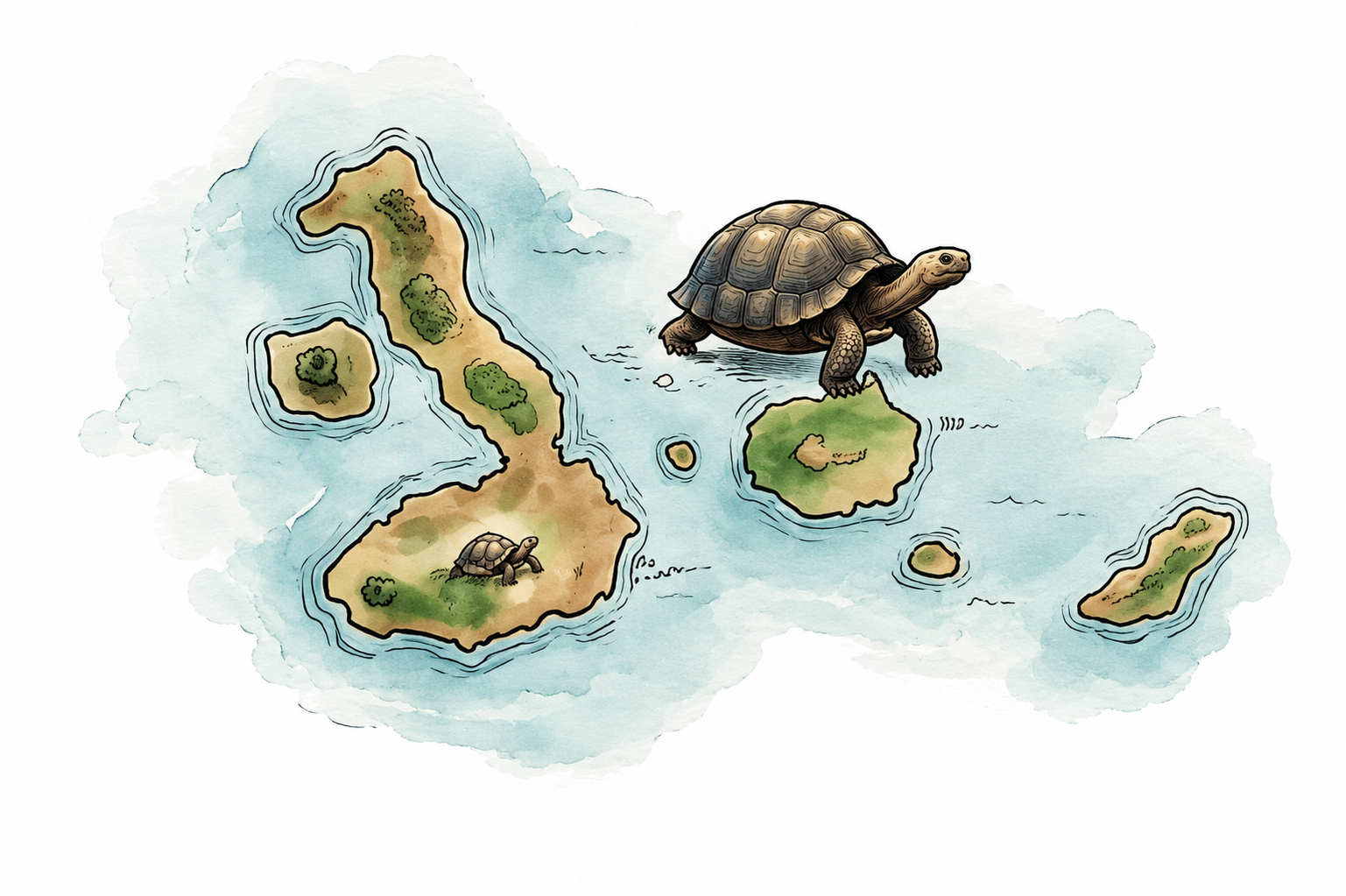
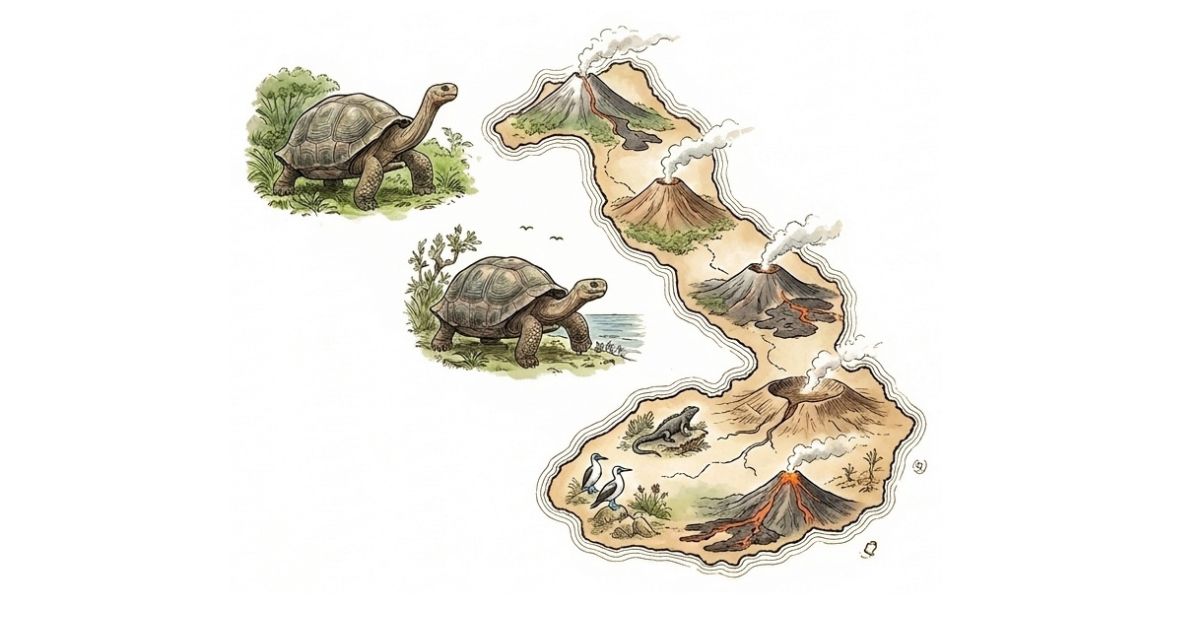
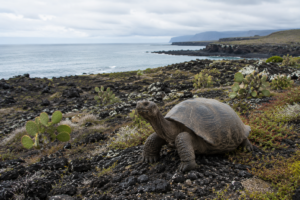
The Galápagos function as a massive natural laboratory where geographical isolation is the true protagonist. Although all giant tortoises in the archipelago descend from a common ancestor that arrived from South America millions of years ago, their astonishing variety is due to each population becoming isolated on different islands or volcanoes. With no opportunity to interbreed with others for thousands of generations, these communities evolved independently, adapting perfectly to the environmental conditions of their specific surroundings.

The anatomy of success

The true secret of their adaptation lies not only in their size, but in three inseparable features: their shell, their neck, and their habitat.

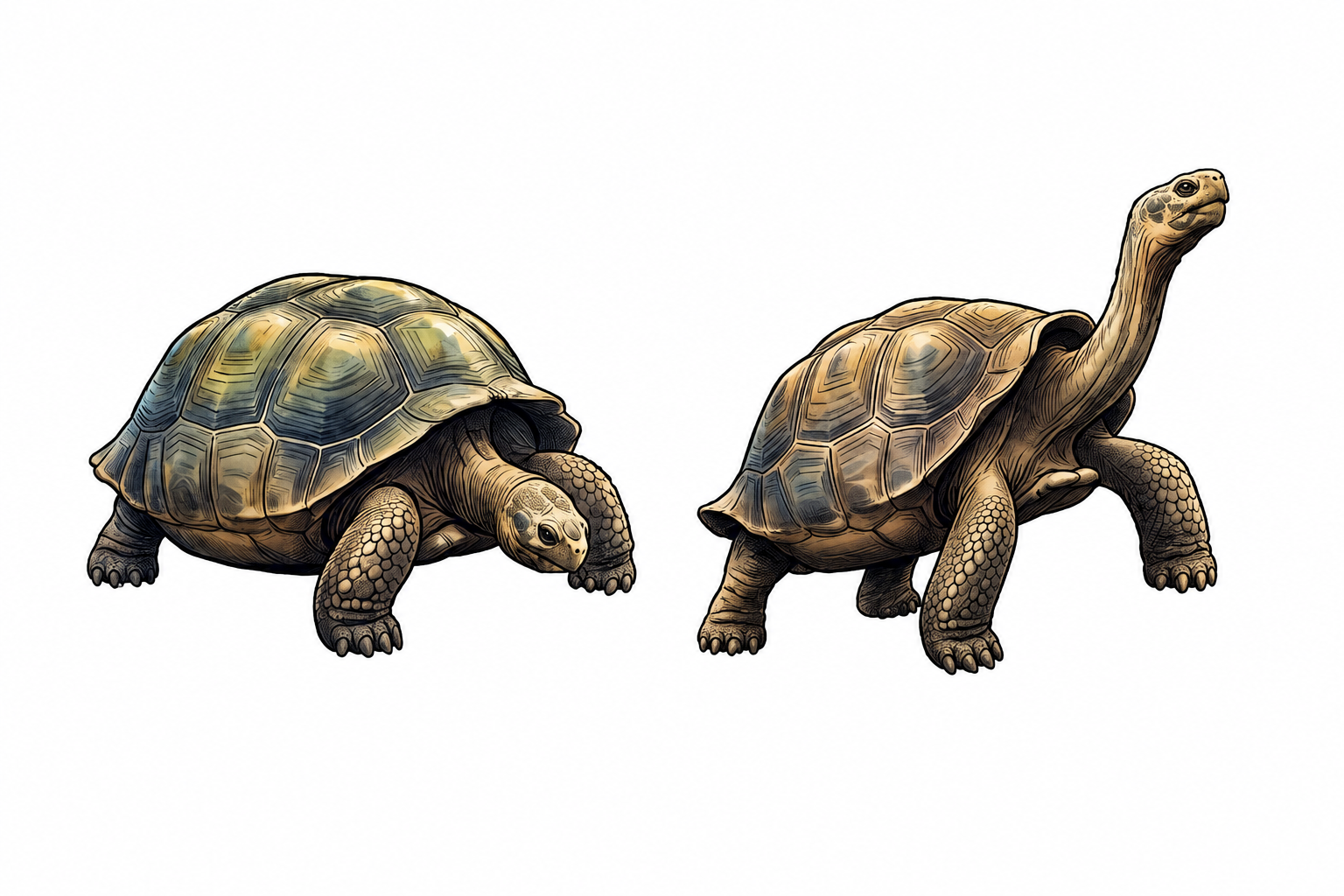
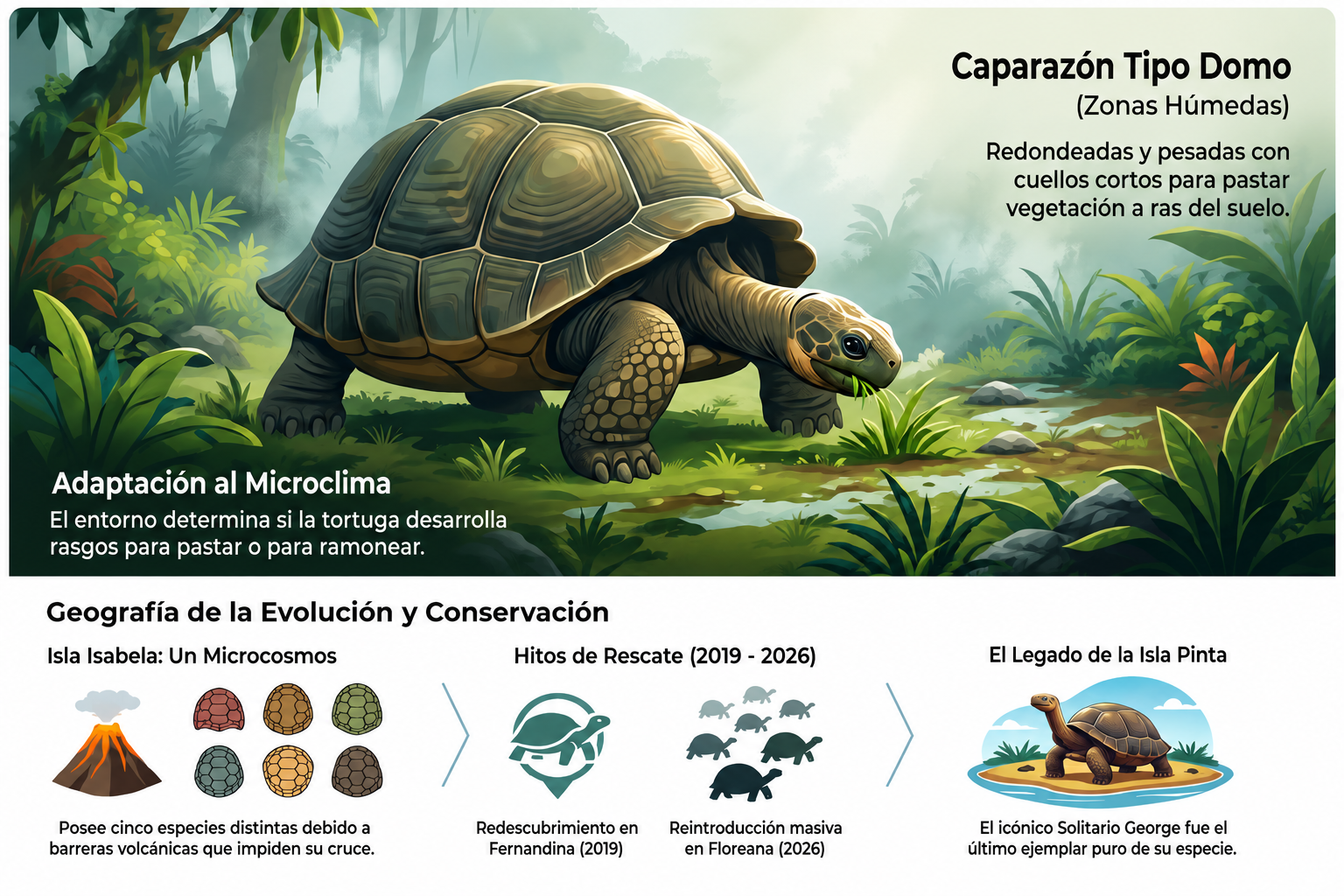
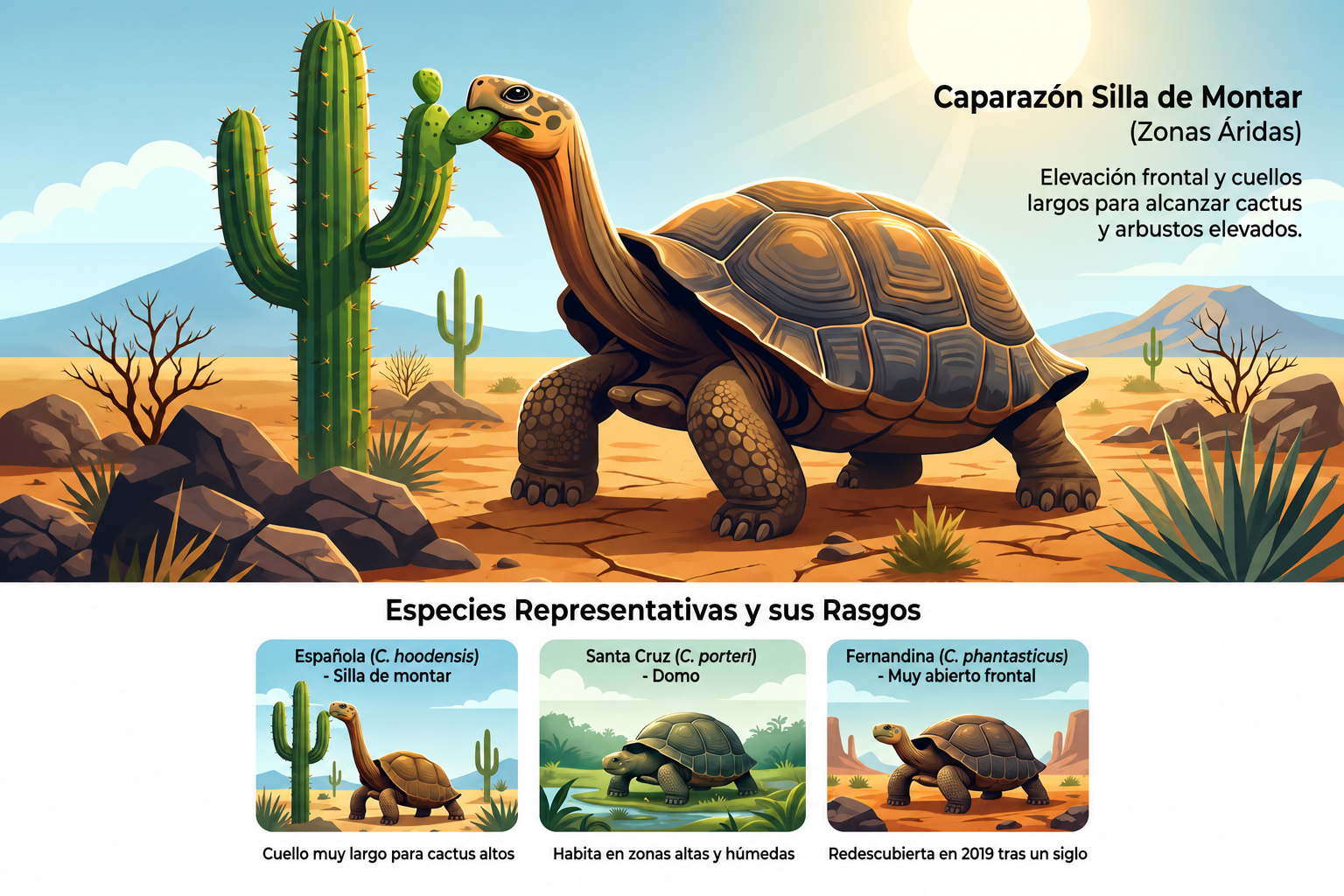
In the high, humid islands: With abundant low vegetation, tortoises with dome-shaped shells predominate rounder and heavier, with short necks designed for grazing comfortably at ground level.

  • In arid and dry environments: Nature forced a radical change; there, the species developed saddleback-type shells with a front elevation that, combined with surprisingly long necks, allows them to reach high cacti and shrubs, which are their primary source of food.

The map of the Giants: a tortoise for every adventure

To understand the magnitude of this biodiversity, it is necessary to travel across the archipelago through its sovereigns. Currently, the following species and locations are recognized:

  • Española Island: Española Tortoise (Chelonoidis hoodensis). One of the species with the longest necks in the archipelago, allowing it to reach high cacti.

  • Pinzón Island: Pinzón or Duncan Tortoise (Chelonoidis duncanensis). An intermediate shell between dome and saddleback. It is medium-sized and adapted to a rocky and dry island.

  • Santiago Island: Santiago or Darwin Tortoise (Chelonoidis darwini). Possesses a dome-type shell and inhabits areas with abundant low vegetation.

  • Santa Cruz Island (Reserve): Western Santa Cruz Tortoise (Chelonoidis porteri). Possesses a dome-shaped shell and inhabits high and humid areas.

  • San Cristóbal Island: San Cristóbal Tortoise (Chelonoidis chathamensis). Dome-type shell and short neck. It is characterized by adapting to both humid and dry areas of the island.

  • Pinta Island: Pinta Tortoise (Chelonoidis abingdonii). It had a saddleback-shaped shell and a very long neck to reach high vegetation. Its last pure specimen was the iconic Lonesome George.

  • Floreana Island: Floreana Tortoise (Chelonoidis niger). Features a saddleback-type shell, adapted to arid environments. After disappearing in the 19th century, its lineage was recovered and reintroduced in 2026.

  • Fernandina Island: Fernandina Fantastic Tortoise (Chelonoidis phantasticus). Possesses a shell that is very open at the front, a long neck, and long legs. It was believed to be extinct for a century until a female was rediscovered in 2019.

The complexity of Isabela Island

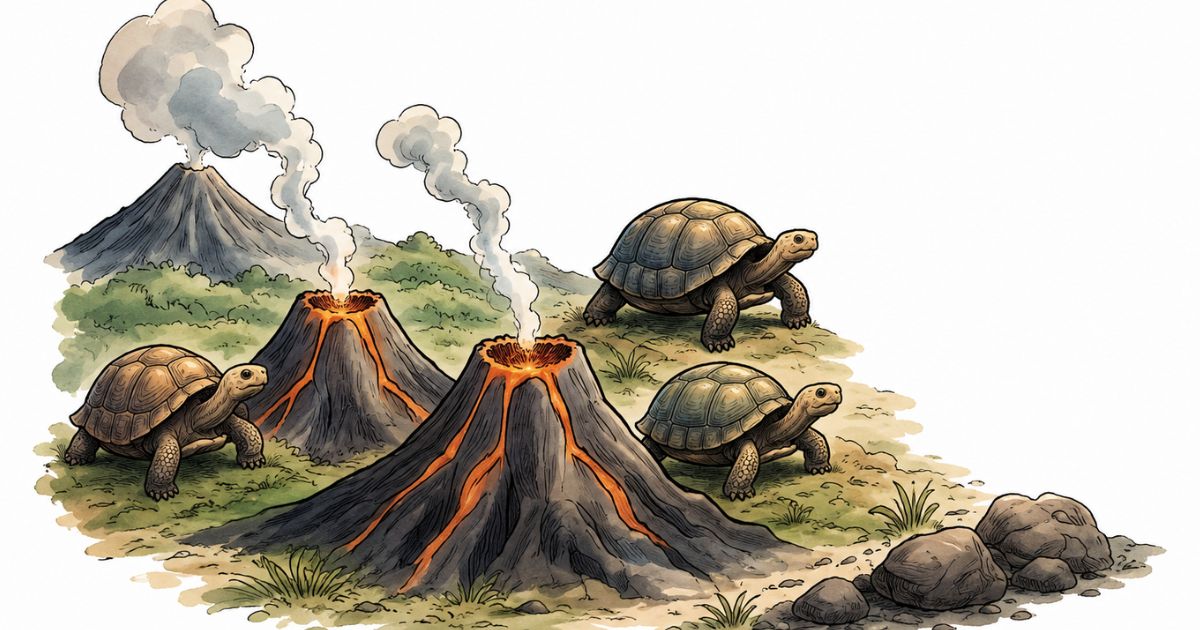
Due to volcanic barriers that prevent the interbreeding of populations, five distinct species have evolved on a single island in Isabela:

  • Wolf Volcano: Wolf Volcano Tortoise (Chelonoidis becki). Features a dome-shaped shell and large size.

  • Darwin Volcano: Darwin Volcano Tortoise (Chelonoidis microphyes). Features a high and rounded shell, has a short neck, and is adapted to low vegetation.

  • Alcedo Volcano: Alcedo Volcano Tortoise (Chelonoidis vandenburghi). Features a rounded shell, and since it feeds on low vegetation, it has a short neck.

  • Sierra Negra Volcano: Sierra Negra Tortoise (Chelonoidis guntheri). Wide and robust shell, adapted to an area with abundant vegetation. It is another of the species with a short neck.

  • Cerro Azul Volcano: Cerro Azul Tortoise (Chelonoidis vicina). Has a highly rounded and dark shell. In this species, the short neck predominates.

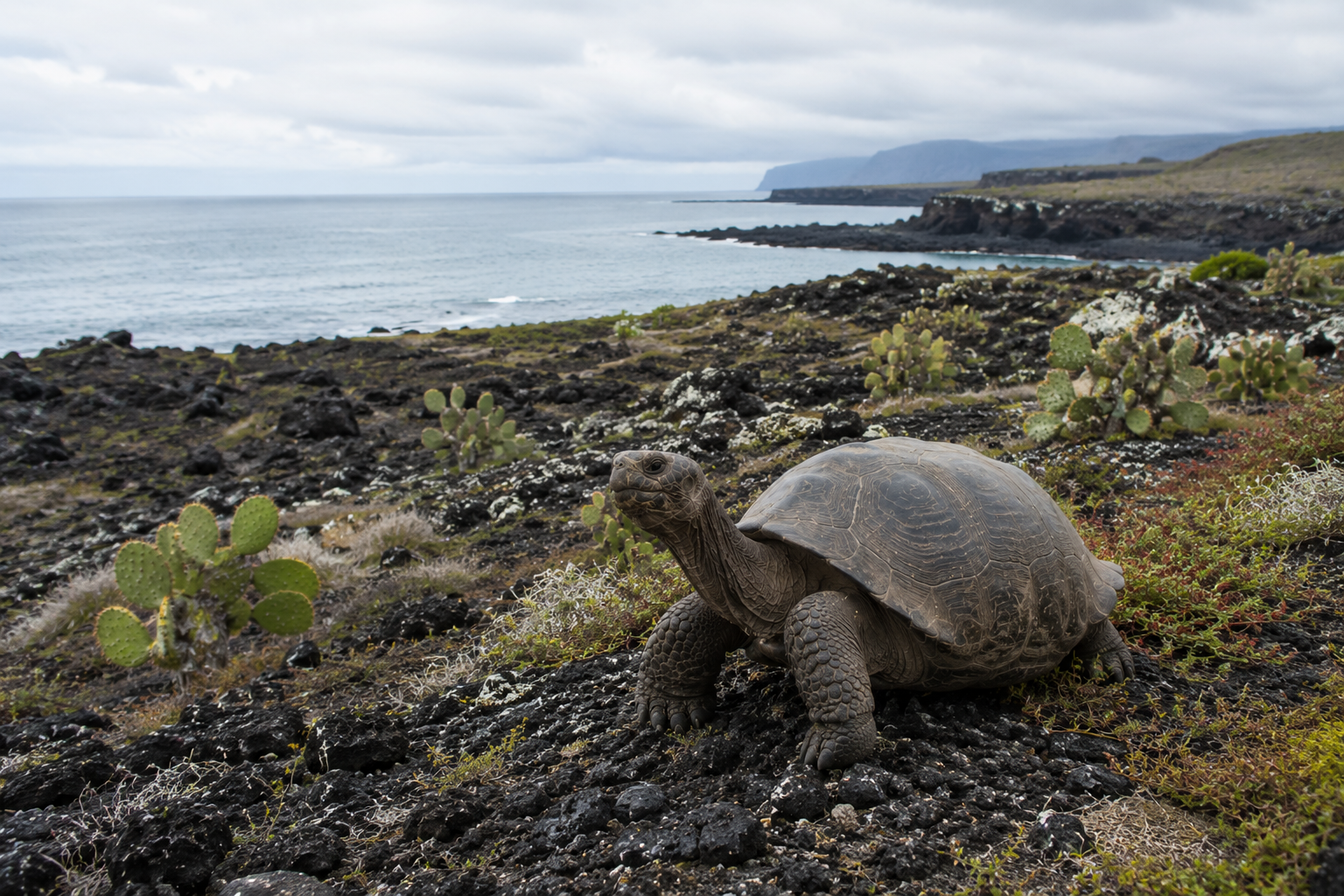
Being face-to-face with a giant tortoise in the Galápagos is much more than seeing an animal up close; it is looking directly at the living history of our planet. Each of these legends is a testament to a unique evolutionary journey found nowhere else on Earth. Travel to Ecuador, discover the kingdom of the giants, and witness evolution from the front row.

More similar content