The Isabela Wetlands: the hidden gem of the Galápagos that few people know about

When people think of Isabela Island, the image is often dominated by volcanoes, giant tortoises, and dreamy beaches. But in the southern part of the island lies a landscape filled with natural surprises: the Southern Isabela Wetlands, recognized as Ramsar Site No. 1202 for its international importance. Designated in 2002, this ecosystem encompasses 872 hectares of coastal and marine wetlands.

What does it mean to be a Ramsar Site?

Being a Ramsar Site is more than simply having an environmental designation. It is an international recognition given to wetlands of outstanding ecological importance. In Isabela, the distinction is particularly remarkable: the site meets seven Ramsar criteria for international importance. Here, conservation and responsible tourism go hand in hand, allowing travelers to experience an ecosystem that, although less famous than other Galápagos landscapes, is just as fascinating. Within just a few kilometers, the landscape constantly changes: pools, bays, beaches, mangroves, and lava fields come together to form a natural mosaic. Even the water holds a surprise. Some of the pools are fed by freshwater flowing beneath the lava from the island’s highlands, creating conditions for organisms that are not found in other coastal wetlands across the archipelago.

The diversity continues on land

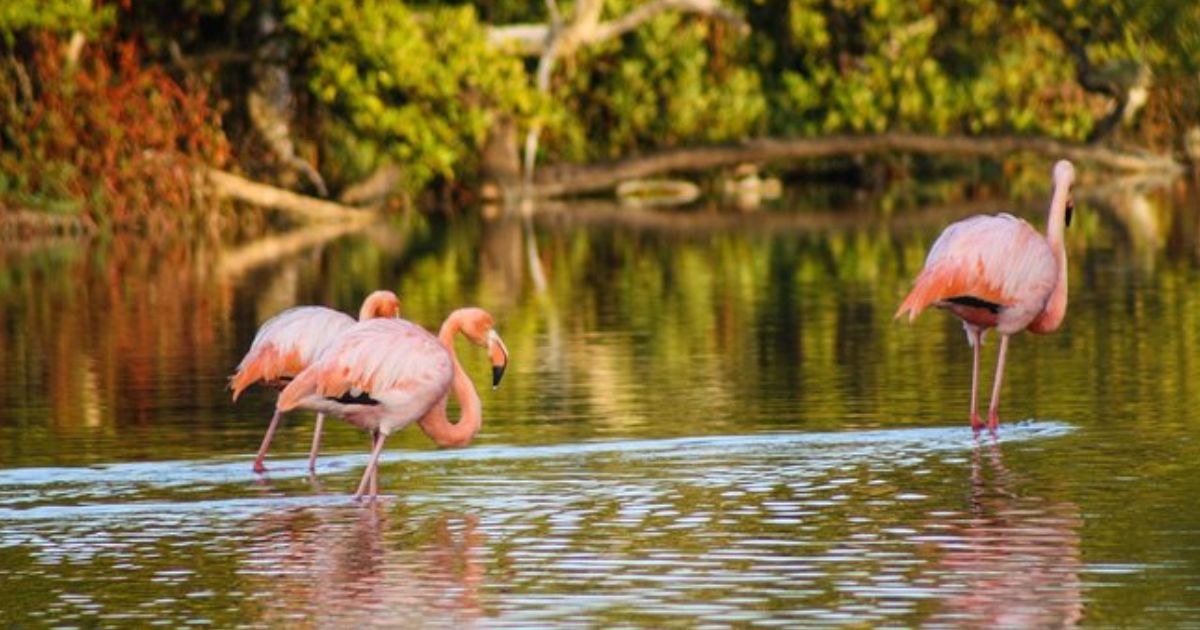
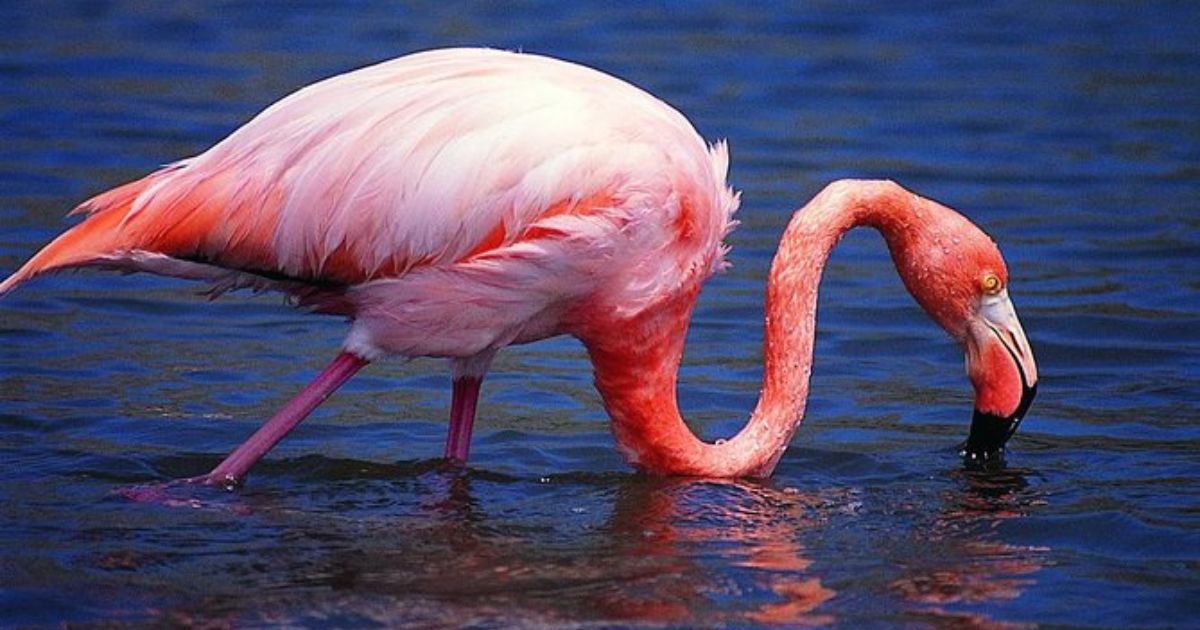
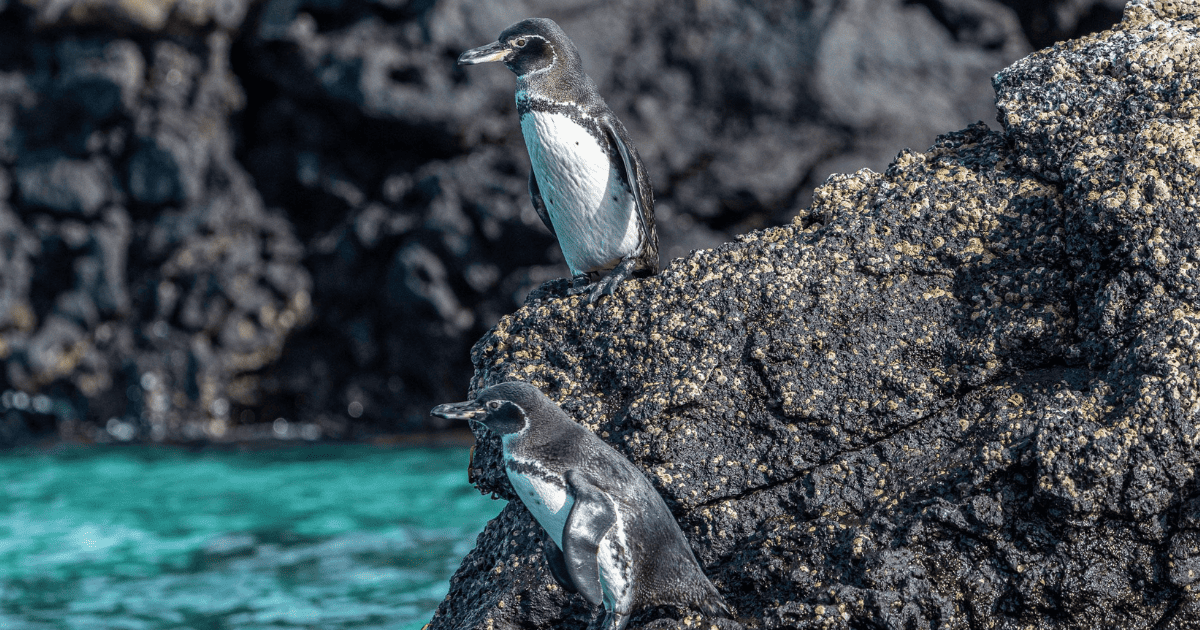
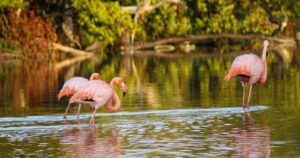
The diversity continues on land. Four mangrove species grow on ancient lava flows, alongside endemic cacti such as the candelabra cactus and prickly pear. And in the same waters where mangroves thrive, you may spot Galápagos penguins, sea lions, marine iguanas, and herons. It is one of those scenes that shows why the Galápagos seems to bring several ecosystems together in a single place. The pools have their own stars, too. The Southern Isabela Wetlands are an important refuge for the Galápagos flamingo, and a census carried out at Poza de las Diablas recorded as many as 218 individuals. Beneath the surface, meanwhile, the marine areas are home to 55 fish species and 99 macroinvertebrate species, while also serving as feeding, spawning, and nursery grounds for a variety of species.

Distant visitors know it too

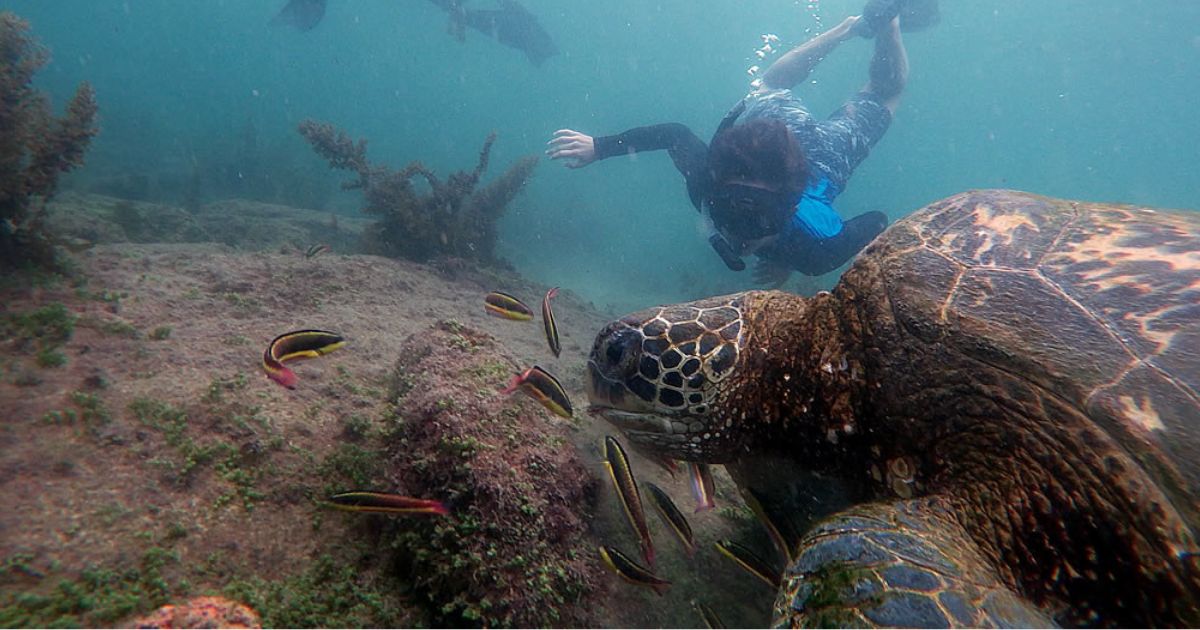
The wetlands do not go unnoticed by those who travel from much farther away. Migratory birds such as the Semipalmated Plover, Whimbrel, and Ruddy Turnstone use these environments to rest and feed during their journeys. Its beaches are also important nesting grounds for the green sea turtle, adding yet another chapter to Isabela’s extraordinary biodiversity.

Can you visit this place?

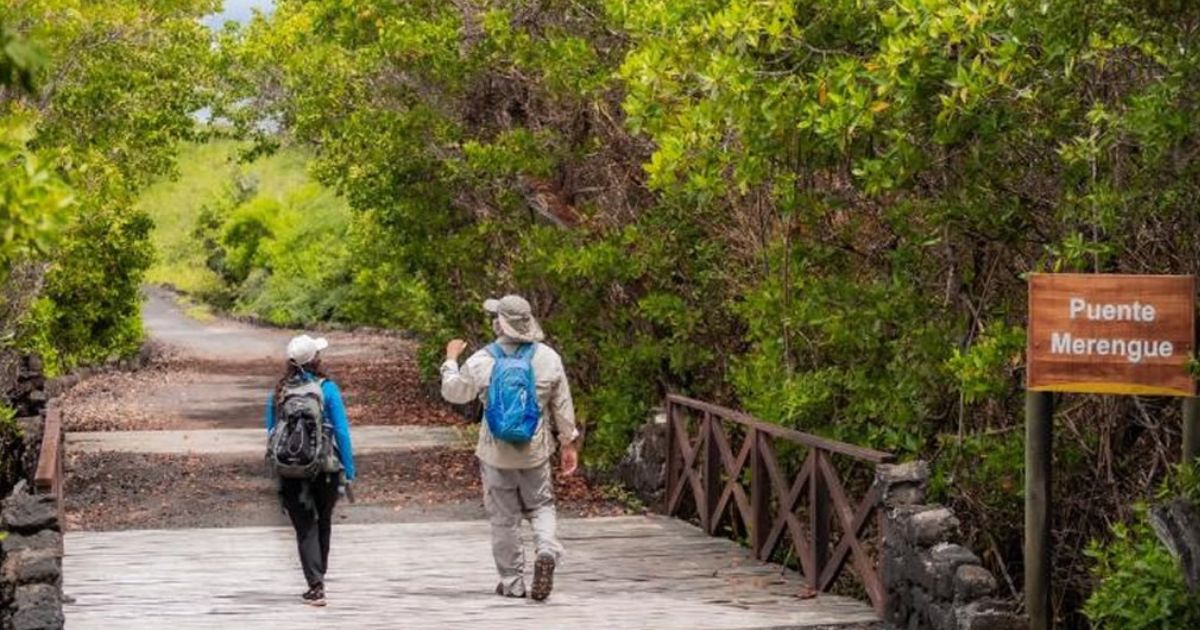
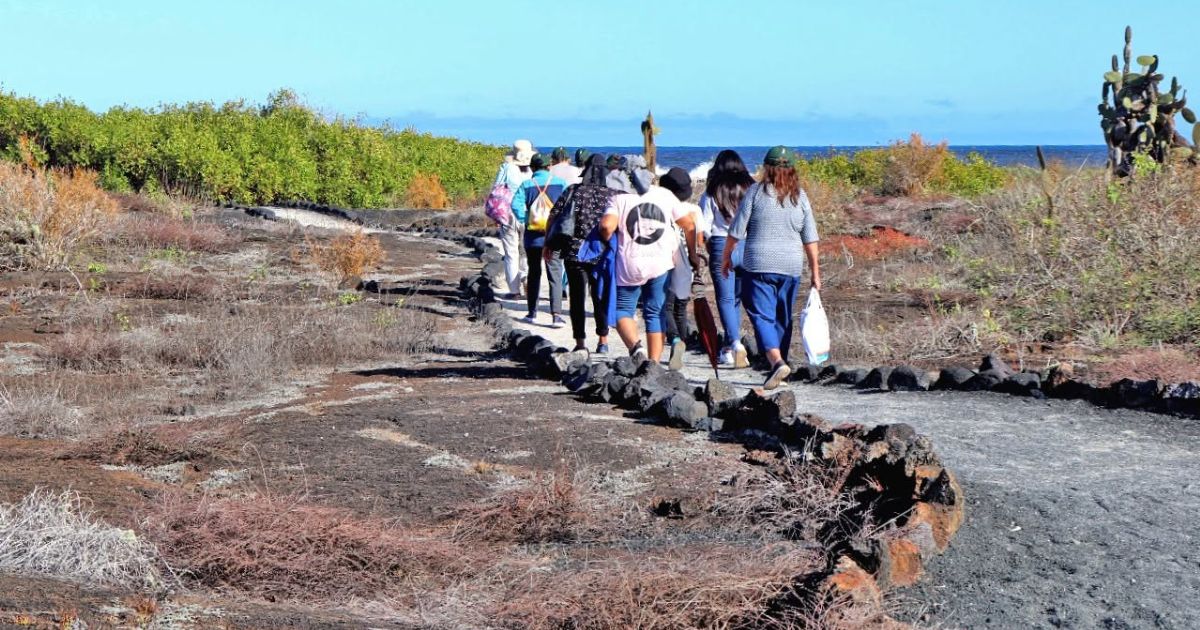
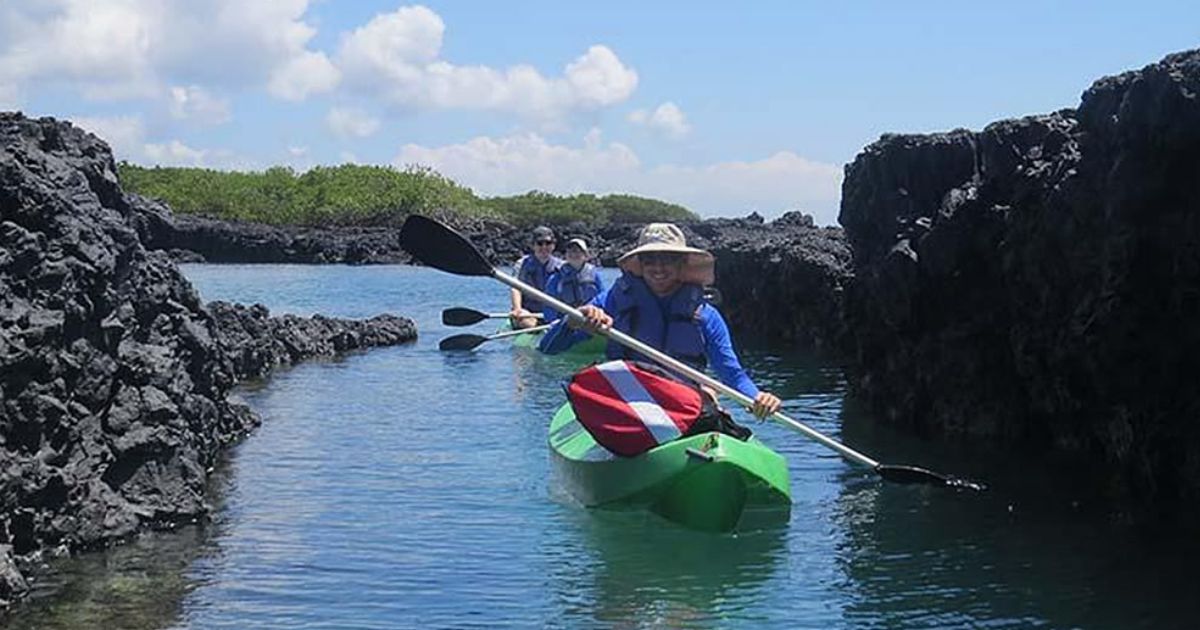
To experience this landscape, you can explore the Wetlands Circuit, with trails, boardwalks, and viewpoints connecting places such as Poza de las Diablas and the Wall of Tears. There are also opportunities for kayaking, photography, and wildlife watching, offering different ways to experience this ecosystem and spot details that might otherwise go unnoticed.

The Southern Isabela Wetlands remind us that there is always something left to discover in the Galápagos. Among lava, mangroves, freshwater, flamingos, and species that travel thousands of kilometers to reach these shores, this corner of the island offers a different experience for those looking to go beyond the best-known landscapes. If Isabela was already on your travel list, its wetlands are one more reason to slow down, look closely, and let nature surprise you all over again.

More similar content