Two Treasures of Humanity Are in Ecuador

There are places that belong to a country. And then there are others whose value transcends their borders. Ecuador is home to two places that are part of the history of all humanity: Quito and the Galápagos Islands, inscribed by UNESCO on the World Heritage List in 1978. And this is no small detail: they were the first two Ecuadorian sites to be inscribed on the list and were among the first 12 sites recognized when the World Heritage system was first established. What makes them extraordinary is that each represents a completely different way of understanding our planet. Quito tells a story of culture, architecture, art, and history. Galápagos tells one of volcanoes, biodiversity, evolution, and marine life.
Quito

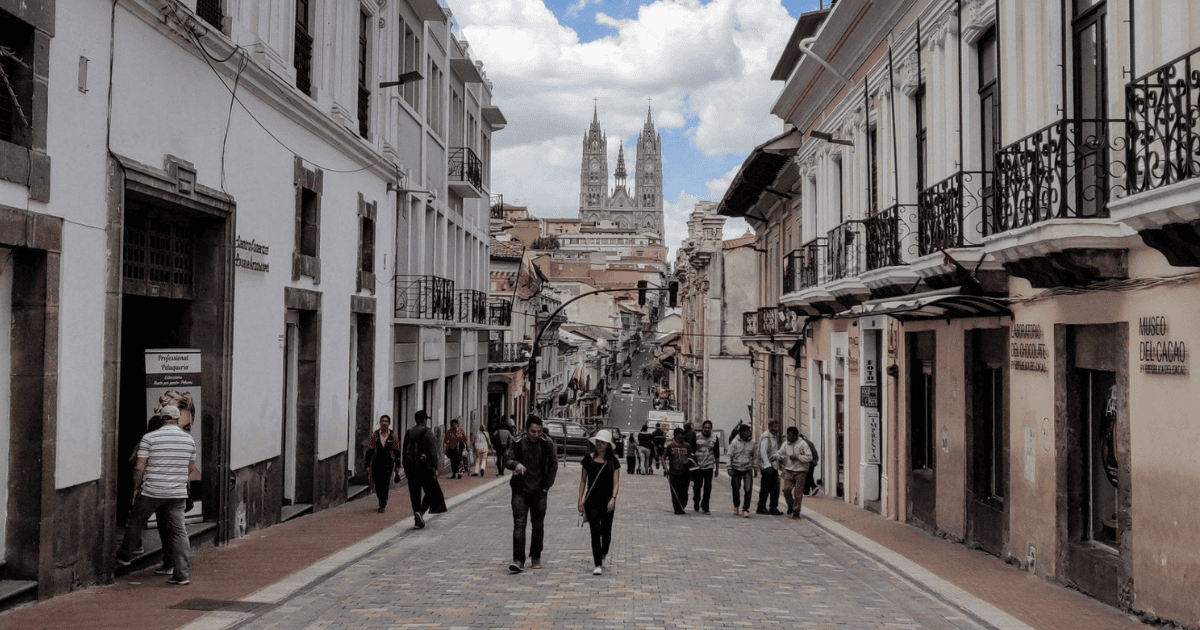
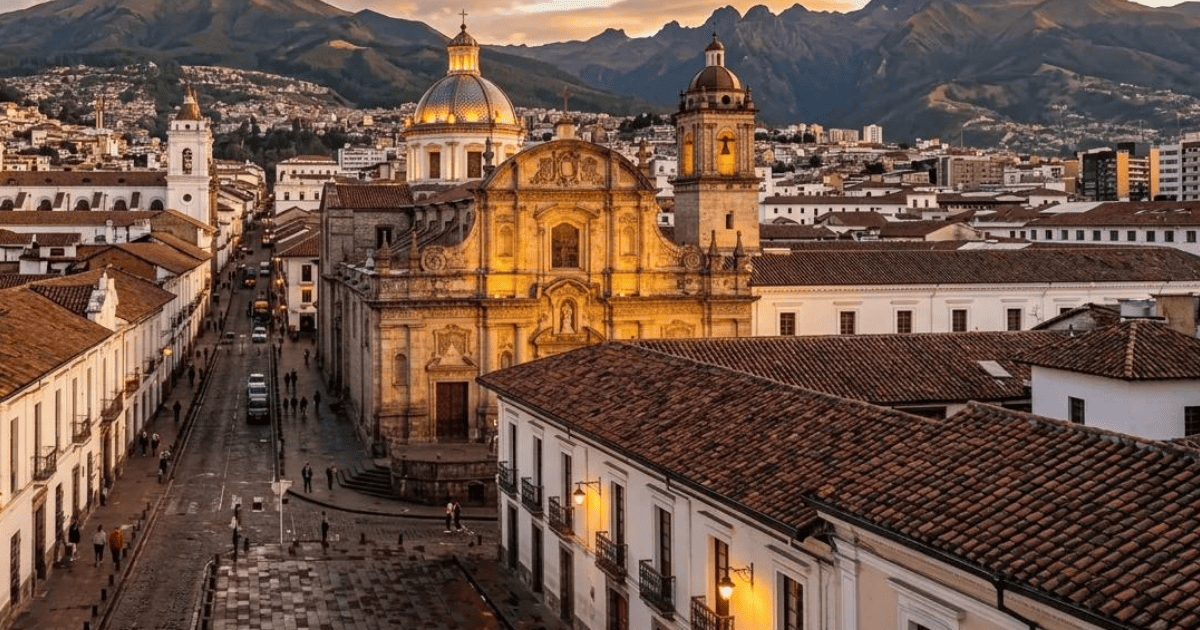
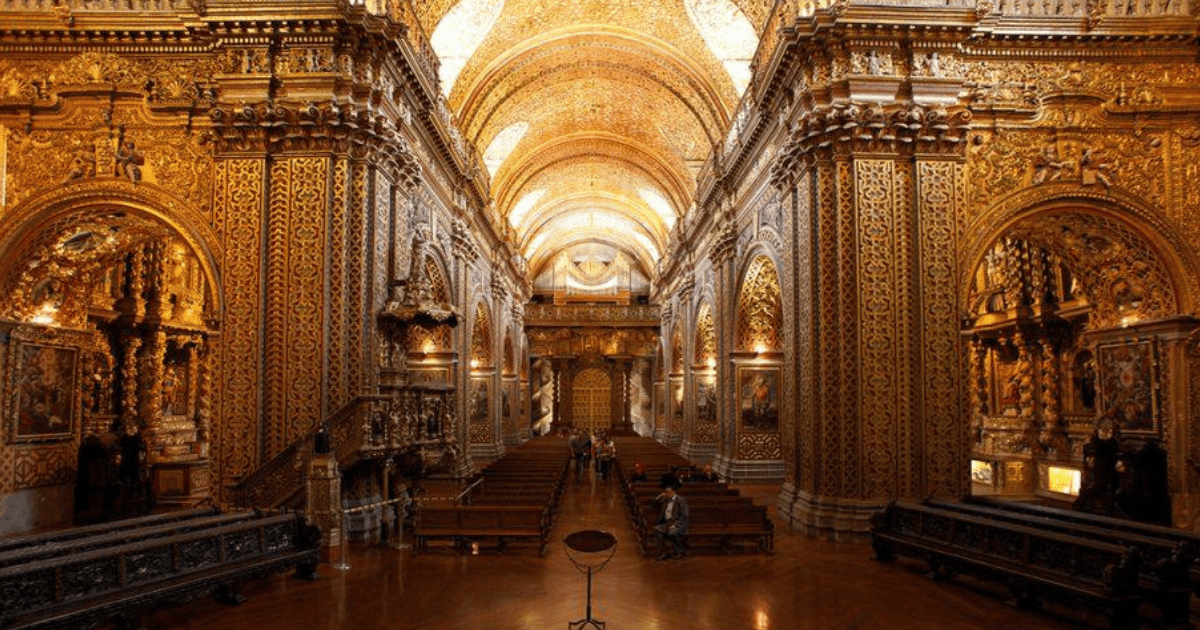
Quito was not recognized by UNESCO simply because it preserves ancient churches. Its value lies in something much greater: the unity of its historic center, its architecture, its art, and the way the city adapts to the Andean landscape. Founded in the 16th century on the ruins of an ancient Inca settlement and located at approximately 2,850 meters above sea level, Quito preserves one of the most important historic urban areas in Latin America. Here, streets, plazas, convents, churches, and historic buildings form part of a single urban landscape where the city’s historic character can still be experienced.

A Blend That Became Art 

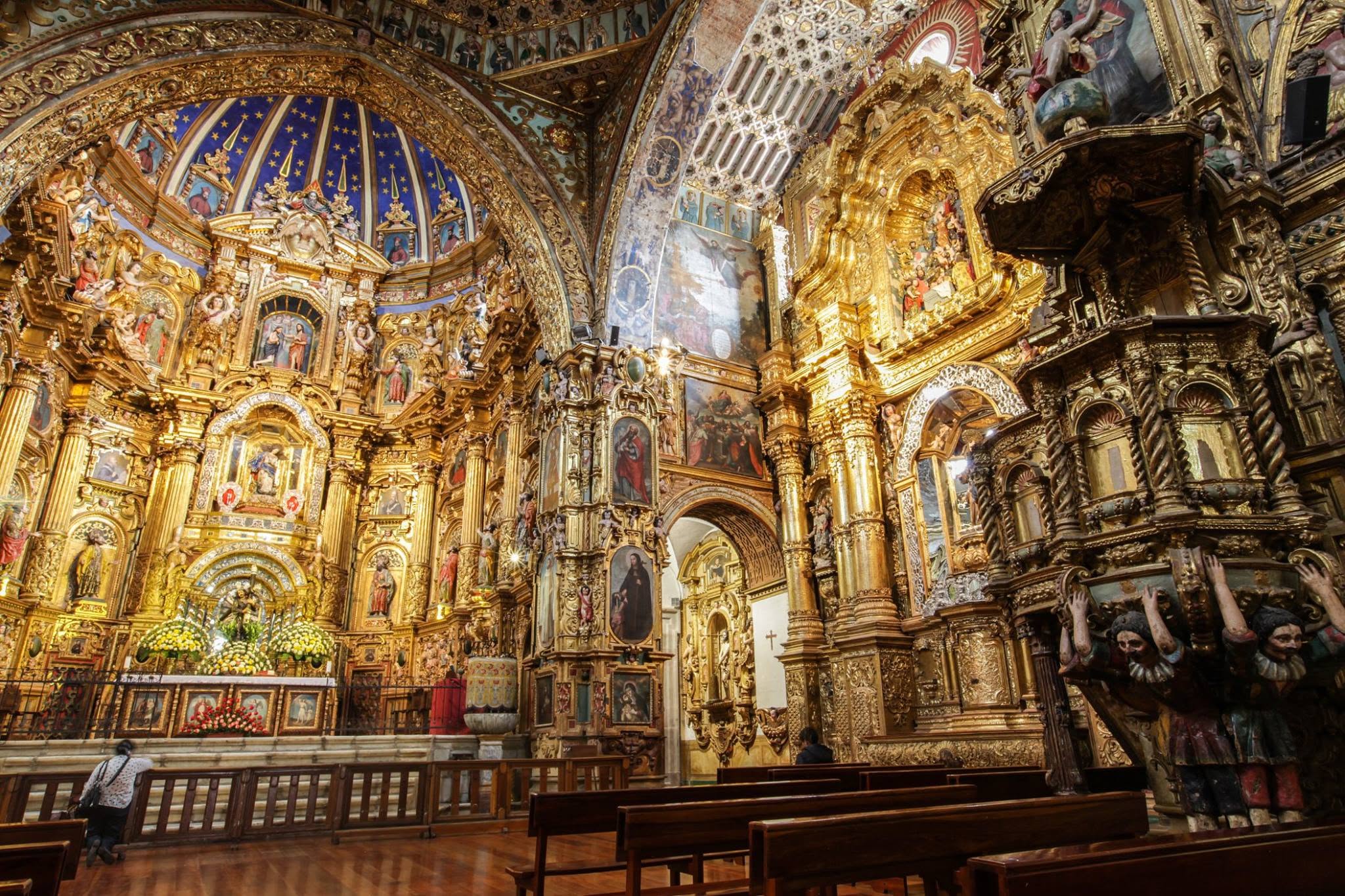
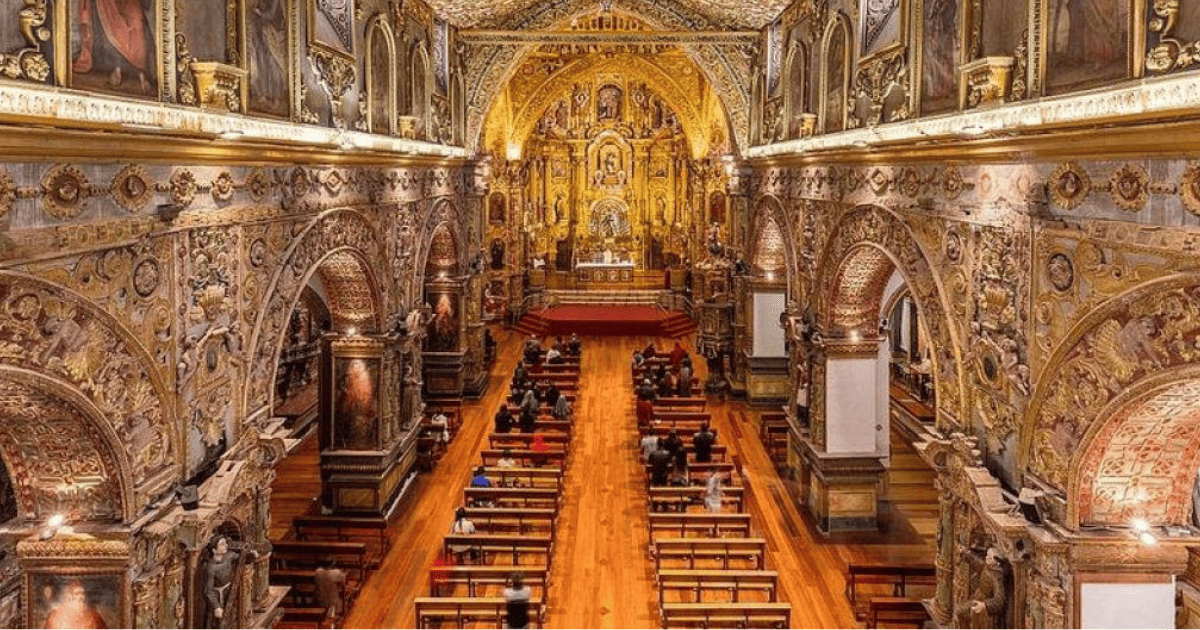
One of the main reasons for Quito’s recognition is the Quito School, an artistic tradition shaped by the convergence of Spanish, Italian, Mudéjar, Flemish, and Indigenous influences. The result was a distinctive artistic expression in architecture, painting, and sculpture that went on to influence other cities throughout the former Royal Audience of Quito and neighboring territories. That legacy can still be discovered in places such as La Compañía de Jesús, San Francisco, and Santo Domingo, whose interiors are among the finest examples of Quito’s Baroque tradition.

A City That Learned to Live with the Mountains 

Quito also has another distinctive feature: its urban history had to adapt to terrain shaped by ravines, steep slopes, and hills. The colonial urban layout had to adjust to this complex topography, creating ways to build within a challenging landscape. This relationship between the city, architecture, and nature is precisely part of what UNESCO recognizes under Criterion IV. That is why walking through Quito’s Historic Center is about more than visiting old buildings. It means walking through a city where history, art, and landscape still come together in the same scene.

Galápagos 

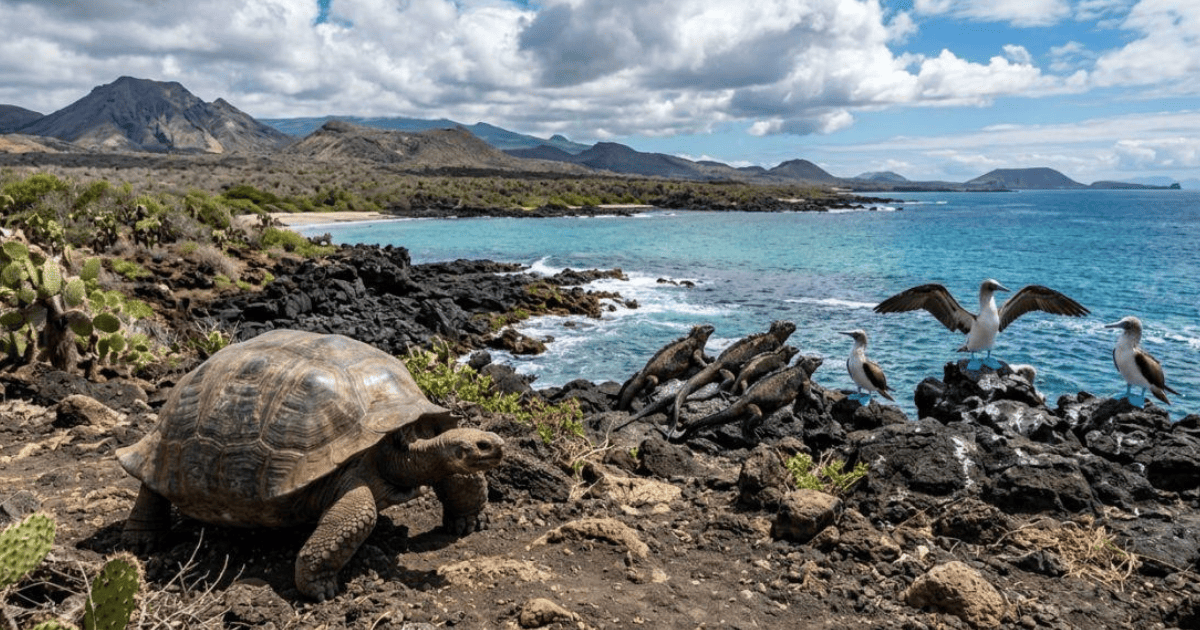
Hundreds of kilometers from the mainland, Ecuador is home to another completely different treasure. The Galápagos Islands were inscribed on the World Heritage List in 1978 and recognized under four natural criteria: VII, VIII, IX, and X. Their importance lies in the extraordinary combination of geological processes, ecosystems, biodiversity, and evolution that makes the archipelago one of the most remarkable natural places on Earth.

A Planet Still Being Formed: Galápagos is a volcanic archipelago where geological processes help explain how its islands were formed and continue to evolve. Its volcanoes, landscapes, and geological formations allow us to observe natural processes that normally unfold over timescales that are difficult to imagine.

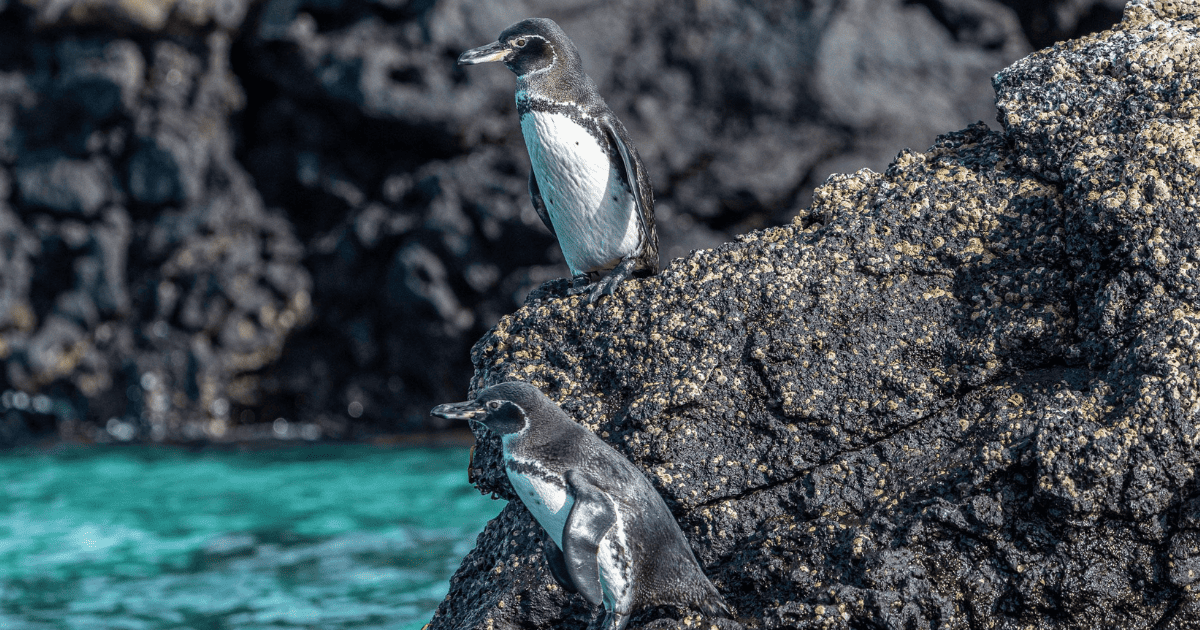
A Place ThatHelped Change the Way WeUnderstand Life: The geographic isolation of the islands allowed different species to evolve in unique ways. Giant tortoises, marine and land iguanas, finches, penguins, and other species are part of an ecosystem where evolution can be observed in an extraordinary diversity of forms.

World Heritage Beneath the Water: In 2001, UNESCO expanded the site’s boundaries to incorporate the archipelago’s marine environment. Today, the World Heritage site covers 14,066,514 hectares, an area that reflects the enormous importance of its terrestrial and marine ecosystems.

Quito and Galápagos are separated by hundreds of kilometers and seem to belong to two completely different worlds. Yet they share something that makes them even more remarkable: both are in Ecuador, and both are World Heritage sites.

The complexity of Isabela Island

More similar content